The Rise of India's Luxury Economy: Why Premium Brands Are Betting on Indian Consumers
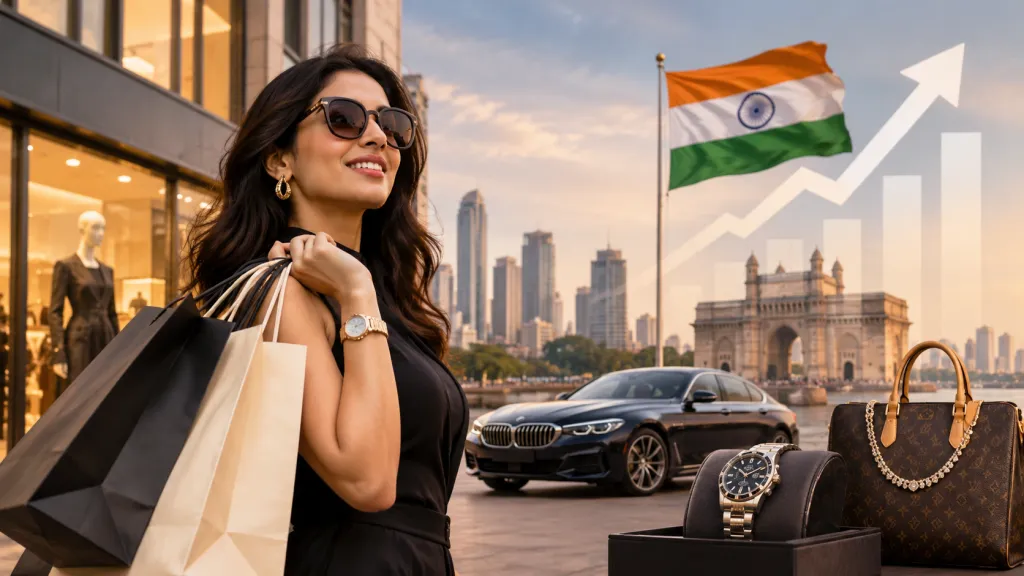
India's consumption story is undergoing a major transformation. For years, the country's retail market was largely associated with affordability, value-for-money products and mass-market consumption. However, a new trend is reshaping the landscape: the growing appetite for luxury and premium products.
From international fashion houses and luxury automobiles to high-end watches, premium beauty products, fine jewellery and exclusive travel experiences, India is increasingly attracting the attention of global luxury brands.
The shift is not just about changing shopping preferences. It reflects a broader economic transformation driven by rising disposable incomes, expanding affluent households, urbanisation and a growing number of consumers willing to spend on quality, exclusivity and lifestyle.
For investors, this emerging luxury economy presents an interesting opportunity to understand where India's next phase of consumption growth could come from.
Also Read: If you want to invest in global market.
Why Is India's Luxury Market Growing?
One of the biggest reasons behind the expansion of India's luxury market is the growth of its affluent and upper-middle-income population.
As more households move into higher income brackets, spending priorities are changing. Consumers are increasingly looking beyond basic necessities and showing interest in premium experiences and products.
Younger professionals, entrepreneurs and business owners are also contributing to this shift. Unlike earlier generations, many younger consumers are more exposed to international brands, global fashion trends and premium lifestyles through social media and digital platforms.
Another important factor is the expansion of India's wealth ecosystem. The growth of entrepreneurship, financial markets, technology businesses and professional employment has created new groups of consumers with greater purchasing power.
Global Luxury Brands Are Looking at India
India is becoming an increasingly attractive destination for international luxury companies.
Global brands are exploring opportunities through premium retail stores, partnerships, exclusive collections and expansion into major metropolitan markets. Cities such as Mumbai, Delhi and Bengaluru are important centres for luxury consumption, while demand is gradually expanding into other urban markets.
International fashion, beauty, automobile and hospitality brands see India as a market with long-term potential.
The attraction goes beyond the number of wealthy consumers. India's large population provides a significant opportunity to build a broader premium customer base as incomes and aspirations continue to evolve.
The Categories Driving India's Luxury Consumption
The luxury economy is not limited to designer clothing and handbags. Several sectors are benefiting from the growing demand for premium products and experiences.
1. Luxury Automobiles
Premium car brands are targeting Indian consumers who increasingly view luxury vehicles as both a lifestyle purchase and a symbol of achievement. Demand for high-end SUVs, luxury sedans and performance vehicles is strengthening the premium automobile segment.
2. Watches, Jewellery and Fashion
Luxury watches, designer accessories, premium jewellery and international fashion labels are attracting consumers looking for craftsmanship, exclusivity and brand value. India's established jewellery culture also provides an interesting foundation for premiumisation.
3. Premium Beauty and Personal Care
Consumers are showing greater interest in high-end skincare, fragrances, cosmetics and specialised personal-care products. This is creating opportunities for both international beauty companies and Indian premium brands.
4. Luxury Travel and Hospitality
Premium hotels, international holidays, private travel experiences and luxury resorts are becoming important parts of aspirational spending. The growth of experience-based consumption is creating opportunities beyond traditional retail.
What Does This Mean for Investors?
The rise of luxury consumption could create opportunities across multiple industries in the Indian stock market.
Investors may find this trend relevant when studying companies operating in premium automobiles, jewellery, fashion, hospitality, beauty and lifestyle retail.
However, the opportunity is not limited to companies selling expensive products. Businesses with strong brands, pricing power, loyal customers and expanding distribution networks could also benefit from the broader shift towards premium consumption.
Companies that successfully move customers from entry-level products to higher-value offerings may improve their revenue mix and profitability over time.
At the same time, investors should evaluate company valuations, earnings growth, debt levels and business fundamentals rather than assuming that every premium brand will automatically become a successful investment.
The Risks Behind India's Luxury Boom
Despite the positive outlook, India's luxury economy faces certain challenges.
Luxury consumption is closely linked to income levels, consumer confidence and broader economic conditions. During periods of financial uncertainty, consumers may postpone expensive purchases.
Additionally, international luxury brands face challenges such as high import costs, taxation, real estate expenses and competition from established domestic businesses.
Premiumisation also does not guarantee higher profitability. Companies need to maintain brand value, customer loyalty and consistent product quality while managing operating costs.
Conclusion: Is Luxury the Next Big Consumption Story for India?
India's luxury economy reflects a larger change in the country's consumption pattern. As incomes rise and consumers become more globally connected, demand is gradually moving beyond essential and mass-market products towards premium brands and experiences.
For global luxury companies, India represents a market with significant long-term potential. For domestic businesses, it creates an opportunity to move up the value chain and attract customers willing to pay more for quality and brand identity.
From an investment perspective, the growing luxury market could become an important theme to watch in the coming years. However, the real winners will likely be businesses that combine strong brand positioning with sustainable earnings growth and attractive valuations.
India's next consumption boom may not only be about how much people buy, but also about what they choose to spend more on.