Asian Stocks Rally as Tech Shares Rebound, Taiwan Leads Market Recovery
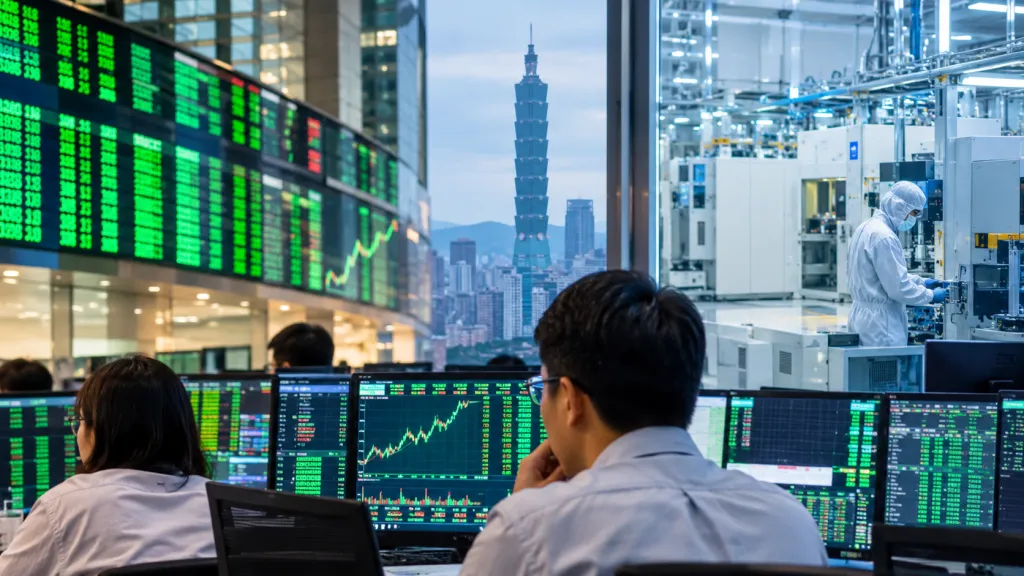
Asian stock markets witnessed a significant recovery on Monday, November 9, as technology shares bounced back following last week's heavy selling pressure. Taiwan led the regional gains, while Japan and South Korea also recorded strong advances, signalling improving investor confidence across major Asian markets.
The rebound came after a difficult week for global technology stocks, when concerns surrounding artificial intelligence investments, corporate valuations and changing political developments in the United States triggered widespread selling.
Also Read: If you want to invest in global market.
Taiwan Takes the Lead in Asia's Market Rally
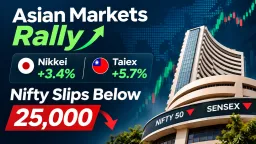
Taiwan emerged as the standout performer during Monday's trading session. Its benchmark Taiex index climbed approximately 5.8%, recovering from a sharp decline that had pushed the technology-heavy market into bear-market territory.
Japan's Nikkei 225 also advanced around 3.5%, while South Korea's Kospi gained approximately 1.7%. The broader MSCI Asia-Pacific index excluding Japan also moved higher, reflecting a wider improvement in regional market sentiment.
The strong performance of Taiwan's market was particularly significant because of its large exposure to semiconductor manufacturing and technology companies.
Major industry players, including Taiwan Semiconductor Manufacturing Company (TSMC), participated in the recovery, highlighting renewed interest in companies connected to the global semiconductor supply chain.
What Triggered the Technology Stock Recovery?
One of the biggest reasons behind Monday's rally was the recovery in US technology stocks towards the end of the previous trading week.
Investors had recently become concerned about the enormous spending by technology companies on artificial intelligence infrastructure. Although AI has created new growth opportunities, questions are emerging about whether the investments being made today will generate sufficient returns in the future.
Concerns about potential regulatory changes in the United States also contributed to last week's market volatility, particularly around data centres and technology infrastructure.
However, improved sentiment on Wall Street helped encourage investors to return to technology-related stocks across Asia.
The latest developments have also brought semiconductor companies back into focus, as investors assess the long-term demand for advanced chips, computing infrastructure and AI-related hardware.
Taiwan's Government Steps In to Stabilise the Market
Apart from the broader technology recovery, Taiwan's domestic market support measures also played an important role in restoring investor confidence.
Authorities introduced restrictions on short-selling activities to reduce excessive selling pressure. The regulator lowered the permitted intraday short-sale volume for borrowed shares and increased the minimum margin requirement for short-selling transactions.
Additionally, Taiwan's National Financial Stabilization Fund, which has access to NT$500 billion, was authorised to intervene in the market when necessary.
These measures helped improve market sentiment at a time when investors were concerned about continued declines in technology stocks.
However, government intervention alone cannot guarantee a sustained recovery. The market will still depend on corporate earnings, global demand and broader economic conditions.
What Does This Mean for Global Investors?
The recovery across Asian markets highlights how closely connected global stock exchanges have become.
Developments in the US technology sector can influence semiconductor manufacturers in Taiwan, electronics companies in South Korea and major technology businesses in Japan.
For global investors, the latest rally brings several important investment themes into focus.
1. Semiconductor Industry: Companies involved in chip manufacturing, advanced processors and semiconductor equipment could remain important investment themes as demand for computing infrastructure develops.
2. Artificial Intelligence Infrastructure: Despite recent concerns, AI-related infrastructure continues to attract significant investment. However, investors will increasingly focus on profitability rather than growth expectations alone.
3. Asian Technology Markets: Taiwan, Japan and South Korea remain important destinations for investors seeking exposure to the global technology and electronics supply chain.
4. Corporate Earnings: Upcoming financial results from major technology companies could provide a clearer picture of whether current AI investments are translating into sustainable business growth.
Is the Asian Market Rally a Sign of a Bigger Recovery?
While Monday's gains have improved market sentiment, investors should avoid treating a single strong trading session as confirmation of a long-term recovery.
Technology stocks remain sensitive to changes in interest-rate expectations, regulatory developments and corporate earnings. A stronger US dollar and uncertainty surrounding the Federal Reserve's future decisions could also influence international investment flows.
The upcoming earnings announcements from major technology and semiconductor companies will be particularly important in determining whether the current rebound has a strong fundamental foundation.
For now, the recovery in Asian markets offers a reminder that global investment opportunities can emerge even after periods of significant market correction.
Final Thoughts
The latest rally in Asian equities has put technology and semiconductor stocks back in the spotlight. Taiwan's strong recovery, alongside gains in Japan and South Korea, reflects improving confidence after a turbulent week for global markets.
However, investors should look beyond short-term price movements and evaluate company fundamentals, earnings growth, valuations and long-term industry demand before making investment decisions.
As global markets become increasingly interconnected, keeping track of international developments is becoming just as important as monitoring domestic stock market movements.