Asian Equities Slide as Global Risk-Off Sentiment Weighs on Markets
Asian equities came under pressure on Thursday as investors turned cautious amid rising oil prices, elevated global bond yields and renewed concerns over inflation. The weakness followed a softer session on Wall Street and extended a broader shift toward risk aversion across global markets.
Japan’s Nikkei 225 fell around 1.1%, while South Korea’s benchmark declined more sharply. Hong Kong stocks also traded lower, while India’s Nifty 50 opened in negative territory. The moves reflected growing investor sensitivity to higher borrowing costs and the potential impact of rising energy prices on corporate earnings and economic growth.

Oil Prices Add to Inflation Concerns
A major source of pressure was the renewed rise in crude oil prices. Brent crude moved above $100 a barrel, while US crude also advanced as concerns over supply disruptions increased. Higher oil prices are particularly important for Asian economies that rely heavily on imported energy, including India, Japan and South Korea.
For equity investors, expensive crude can create a difficult combination of weaker margins and persistent inflation. Higher fuel and transportation costs can feed into consumer prices, while businesses may face higher input costs. This could make it more difficult for central banks to shift toward easier monetary conditions.
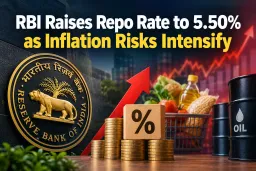
India is facing an additional domestic policy headwind. The Reserve Bank of India raised its benchmark repo rate by 25 basis points to 5.5% on Wednesday, its first increase in nearly four years, citing inflationary pressures. The Nifty subsequently opened lower on Thursday.
Bond Yields Keep Investors Defensive
Global bond markets are adding to the pressure on equities. The US 10-year Treasury yield remained around 5.3%, close to multi-year highs, as investors continued to assess inflation risks and the outlook for US monetary policy. Higher bond yields can reduce the relative appeal of equities while increasing financing costs for companies.
The release of Federal Reserve meeting minutes also kept monetary policy in focus. Most Fed officials considered another rate increase possible later this year, reinforcing expectations that interest rates could remain restrictive for longer than previously anticipated.
What Investors Are Watching
The combination of higher crude prices, elevated bond yields and weaker global risk sentiment is creating a more challenging environment for emerging-market equities. Markets are likely to remain sensitive to further movements in oil, US Treasury yields and central-bank policy expectations.
Trader Takeaway: Short-term momentum across Asian and emerging-market equities has weakened, with the bias shifting toward neutral-to-bearish conditions. Investors are likely to watch energy prices and bond yields closely for signs of whether the risk-off pressure is temporary or could develop into a broader market correction.
This article is for educational and informational purposes only and does not constitute investment, trading or financial advice. Leveraged products involve substantial risk and may not be suitable for all investors. Availability and legality of financial products vary by jurisdiction. Readers in India should ensure that any foreign-exchange or derivative activity is conducted in accordance with applicable RBI, FEMA and SEBI requirements.