Airline Industry Under Pressure: Rising Fuel Costs Push Global Carriers Towards Financial Trouble
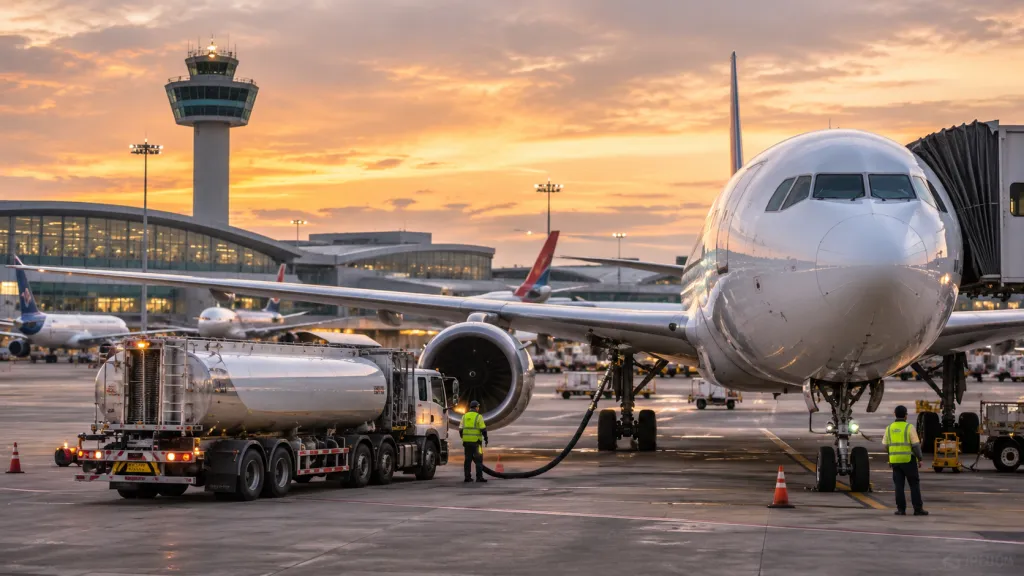
The global airline industry is facing one of its toughest financial periods in recent years as soaring aviation fuel prices, geopolitical tensions and rising operating expenses put pressure on airline balance sheets.
What was expected to be a strong year for international travel has turned into a financial challenge for several carriers. Airlines are struggling to balance higher fuel expenses with affordable ticket prices, while some companies are being forced to restructure their operations and search for additional funding.
The situation has become particularly concerning after several financially troubled airlines announced major operational changes, raising questions about the industry's financial stability.
Airlines Face a Massive Increase in Fuel Expenses
Fuel is one of the largest operating expenses for airlines, often accounting for around one-third of their total costs.
According to the International Air Transport Association (IATA), global airline fuel expenditure is projected to reach approximately $350 billion in 2026, compared with $252 billion in 2025.
The increase is largely linked to disruptions in global energy supplies and higher aviation fuel prices.
IATA also expects global airline industry net profits to fall from $45 billion in 2025 to approximately $23 billion in 2026, cutting profit margins from 4.2% to just 2%.
This means airlines are continuing to generate revenue, but retaining significantly less profit after covering their expenses.
Financial Pressure Forces Airlines to Rethink Their Business Models
The impact of rising fuel costs is becoming visible across the aviation sector.
On November 26, Norwegian low-cost carrier Norse Atlantic Airways suspended its flights amid an urgent need for short-term financing, warning that it could face bankruptcy without additional financial support.
Other airlines are also experiencing financial difficulties.
Spirit Airlines ceased operations earlier in the year after failing to secure the funding needed to continue operating. Meanwhile, Latvia's airBaltic and Spain's Volotea have been dealing with restructuring and financing challenges.
These developments demonstrate how quickly rising operating costs can affect airlines that already have limited financial flexibility.
Why Are Airline Ticket Prices Increasing?
When fuel prices rise, airlines face a difficult decision: absorb the additional expenses or pass some of the costs on to passengers.
Many carriers have already increased ticket prices and introduced additional charges to protect their profit margins.
Passengers may notice changes such as:
Higher international flight fares.
Increased baggage and seat-selection charges.
Reduced flight frequencies on less profitable routes.
Changes in connecting routes and flight schedules.
Fewer promotional ticket offers.
However, airlines cannot increase prices indefinitely. If tickets become too expensive, travellers may postpone trips or choose cheaper alternatives.
This creates a difficult balance between maintaining passenger demand and protecting profitability.
Airlines Are Turning to New Financing Strategies
Another important development is the changing way airlines manage their finances.
According to a November 24 Reuters report, several carriers are reconsidering how they finance aircraft purchases and manage their cash reserves.
Some airlines are exploring aircraft sale-and-leaseback arrangements, in which they sell aircraft they own and lease them back to generate immediate cash.
This strategy can help companies improve short-term liquidity without immediately reducing their flight capacity.
However, it also creates future lease-payment obligations, meaning airlines must carefully manage their long-term financial commitments.
Asia-Pacific Airlines Could Face Additional Challenges
The Asia-Pacific aviation market is particularly exposed to rising fuel costs because several countries depend heavily on imported energy supplies.
According to IATA's 2026 regional outlook, airlines in the Asia-Pacific region are expected to generate approximately $6.6 billion in net profits, down from $9.8 billion in 2025.
The region's net profit margin is forecast to decline from 3.5% to 2.1%.
Higher fuel expenses, currency fluctuations and longer flight routes are adding pressure to airline finances.
At the same time, demand for international travel remains relatively strong, creating opportunities for airlines that can manage their costs effectively.
What Does This Mean for Investors?
The aviation industry's financial difficulties could create both risks and opportunities for investors.
Here are four areas worth watching:
Airline stocks: Companies with high debt and limited cash reserves could face greater financial pressure.
Aircraft leasing companies: Demand for aircraft financing and sale-and-leaseback arrangements could create new business opportunities.
Airport operators: Changes in airline capacity and passenger traffic could affect airport revenues.
Aviation and energy companies: Fuel suppliers and companies involved in aviation infrastructure may experience changing demand and pricing conditions.
Investors should pay close attention to airline debt levels, cash flow, fuel-hedging strategies and quarterly earnings before making investment decisions.
Conclusion: Is the Airline Industry Heading Towards a Bigger Financial Crisis?
The global aviation industry is entering a challenging phase as higher fuel prices and geopolitical disruptions put pressure on airline profitability.
While passenger demand continues to support the sector, rising operating expenses are making it increasingly difficult for carriers to maintain healthy financial margins.
The coming months will be important in determining which airlines can successfully manage their costs and which may require restructuring or additional financial support.
For investors, the biggest lesson is that strong passenger demand does not necessarily translate into strong corporate profits. In an industry with high operating costs and relatively thin margins, financial stability can matter just as much as revenue growth.