Singapore and China Strengthen Financial Ties: Could Yuan Financing Reshape Asia's Business Landscape?
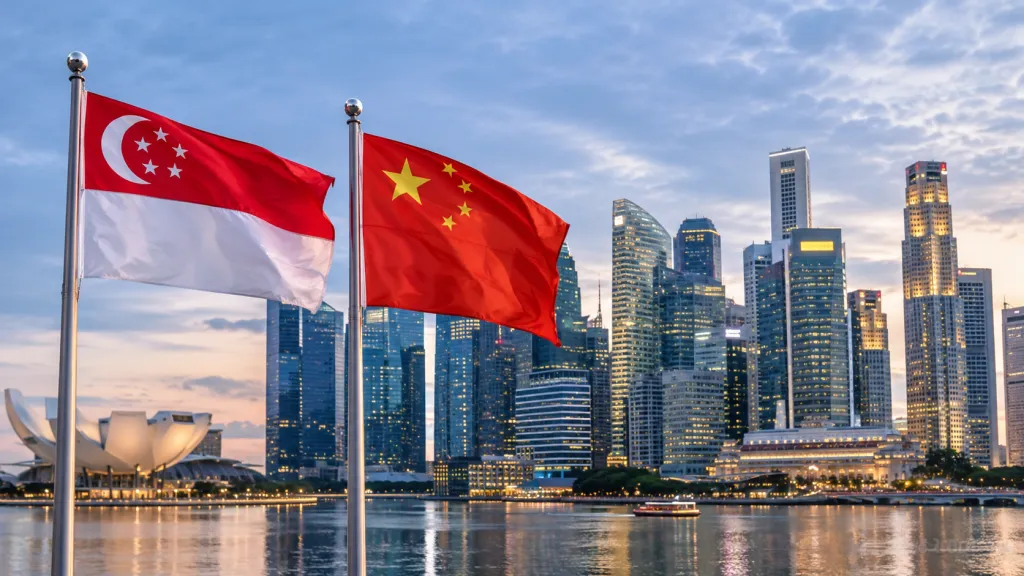
Singapore, November 24, 2026 – Singapore and China are taking another step towards strengthening their financial relationship, with a new initiative aimed at expanding access to Chinese yuan (RMB) financing for businesses operating in Singapore.
The Monetary Authority of Singapore (MAS) has announced measures to deepen financial cooperation between the two economies. The development could create new financing opportunities for regional businesses while strengthening the yuan's role in international financial markets.
The announcement comes at a time when businesses and investors are increasingly looking beyond traditional financing channels and exploring alternative ways to manage international transactions.
What Is Behind the Latest Development?
The initiative focuses on widening access to yuan-based financing through Singapore's financial institutions.
By improving access to RMB funding, Singapore aims to make it easier for financial institutions to support a broader range of corporate activities connected with China and the wider Asian region.
Singapore already plays an important role as an international financial centre. Stronger access to yuan financing could further strengthen its position as a bridge between Chinese businesses and global capital markets.
For companies involved in international trade, access to financing in different currencies can provide greater flexibility when managing payments, investments and business expansion.
Why Does This Matter for Global Financial Markets?
The development is significant because international finance has traditionally been dominated by major currencies, particularly the US dollar.
China's efforts to expand the international use of the yuan have gradually created additional options for businesses involved in cross-border trade and investment.
Singapore's latest move could support this transition by making yuan financing more accessible to regional companies.
However, this does not mean the yuan will immediately challenge the dollar's global position. Currency adoption depends on factors such as market liquidity, investor confidence, regulatory frameworks and international demand.
What Could It Mean for Businesses and Investors?
The expansion of yuan financing could have several implications:
1. More financing options for businesses
Companies conducting business with China could gain greater flexibility in accessing funds and managing their financing requirements.
2. Stronger Singapore-China economic cooperation
Improved financial connectivity could encourage more cross-border business activity, investments and institutional partnerships.
3. New opportunities for financial institutions
Banks and financial service providers may benefit from increased demand for yuan-related financing, treasury services and cross-border transactions.
4. Greater currency diversification
Businesses operating internationally could have more options when managing currency exposure and international payments.
Could the Yuan Become More Important in Global Finance?
The growing use of alternative currencies in international transactions reflects a broader shift in the global financial landscape.
China has been working to expand the yuan's role in international trade, while financial centres such as Singapore are helping build the infrastructure needed to support cross-border transactions.
Nevertheless, the US dollar remains the dominant international reserve and transaction currency. The yuan's international growth will depend on how comfortably global businesses and investors can access, hold and transfer the currency.
Singapore's latest initiative represents another step in that direction, rather than an immediate transformation of the global monetary system.
What Should Investors Watch Next?
Investors should monitor how quickly the new financing arrangements translate into actual business activity.
Important indicators include yuan-denominated lending, cross-border investment flows, demand for RMB financial products and future policy announcements from Singapore and China.
Financial institutions with exposure to Asian trade and cross-border financing may also attract attention as the relationship develops.
However, investors should avoid treating increased currency cooperation as an automatic investment opportunity. Currency fluctuations, regulatory developments and geopolitical conditions will continue to influence market outcomes.
The Bigger Picture
Singapore and China's latest financial initiative highlights how international finance is gradually becoming more interconnected.
As businesses seek greater flexibility in funding and international transactions, regional financial centres could play an increasingly important role in connecting economies and capital markets.
For investors, the development is worth watching because it reflects a longer-term trend: the changing structure of global finance and the growing importance of Asia in international financial activity.
Disclaimer: This article is for informational and educational purposes only. It should not be considered financial or investment advice. Investors should conduct independent research before making financial decisions.