Tata Motors Confirms Avinya Premium EV Brand Launch by End of 2026
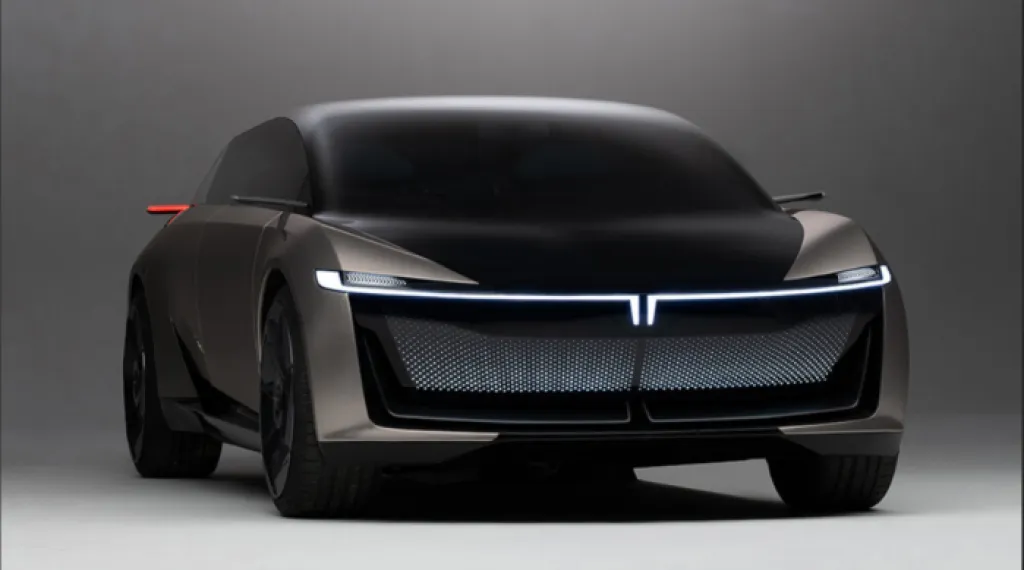
Tata Motors has officially confirmed that its long-awaited premium electric vehicle brand, Avinya, will debut by the end of 2026 - a strategic move aimed at propelling India’s largest EV manufacturer into the luxury segment. The announcement, led by Managing Director Shailesh Chandra, underscores Tata’s ambition to redefine Indian electric mobility with innovation, design, and accessibility at its core.
The Vision Behind Avinya
Avinya will operate as an independent sub-brand under Tata Motors, backed by a dedicated retail and service network. The company plans to introduce a “phygital experience” for customers - blending physical touchpoints with digital retail - initially focusing on Tier 1 and Tier 2 cities, where EV adoption rates are rapidly climbing.
Developed on Tata’s Gen-3 EV skateboard architecture, a platform purpose-built for battery electric vehicles, Avinya is expected to offer competitive range, ultra-fast charging, and a software-driven user experience. Notably, the platform integrates design and safety learnings from Jaguar Land Rover’s Electrified Modular Architecture (EMA), signaling a leap in Tata’s technological capabilities.
Positioned above ₹30 lakh, Avinya will directly compete with international EVs such as Hyundai Ioniq 5, Kia EV6, and potentially the Tesla Model Y when it enters the Indian market.
Tata’s Expanding EV Portfolio
This premium launch complements Tata Motors’ broader strategy to accelerate its electrification roadmap. The automaker has confirmed an investment of ₹16,000–₹18,000 crore through FY2030, aimed at launching five new EV nameplates and expanding its charging infrastructure to 1 million charge points, including 100,000 public chargers.
Tata currently commands nearly 66% of India’s electric passenger vehicle market, led by the Nexon.ev - the first Indian EV to cross 1 lakh unit sales. The brand’s EV range now stretches from the affordable Tiago.ev (₹8 lakh) to the flagship Harrier.ev (₹29.5 lakh), with roughly 26% of buyers being first-time car owners.
Strategic and Market Analysis
The Avinya launch marks Tata Motors’ pivot from being a “mass EV manufacturer” to a full-spectrum electric mobility player. This move allows it to hedge against saturation in the mid-range EV segment while capitalizing on growing demand for premium, tech-integrated vehicles.
From an industry perspective, this launch could accelerate the electrification curve of India’s luxury segment - which, until now, has been dominated by imports. By introducing a domestically engineered luxury EV, Tata can establish India as a credible hub for high-end sustainable mobility, reducing dependency on imports and complementing the Make-in-India EV vision.
Impact on Stock and Investor Sentiment
Tata Motors' original stock has demerged into TMCV.NS (Tata Motors Ltd., current price ~Rs 415) for core operations and TMPV.NS (Tata Motors Passenger Vehicles Ltd., ~Rs 360), focusing investor attention on EV growth. Avinya signals higher margins, likely driving short-term upward momentum in both tickers via positive sentiment on innovation. Long-term, strong execution could elevate valuations, attracting funds to TMCV and TMPV as EV leaders, though capex risks warrant monitoring.
However, the market’s actual reaction will hinge on execution timelines and capital efficiency. The EV division, while promising, demands high upfront investment in R&D, infrastructure, and retail expansion. If Tata manages to integrate Avinya profitably within its existing EV ecosystem, it could strengthen the company’s valuation narrative as a sustainable mobility leader across price points.
For long-term investors, the Avinya announcement reinforces confidence in Tata Motors’ strategic clarity and technological progression, making it one of the most future-ready auto stocks in India. Mutual fund inflows into the auto sector and rising retail participation in EV-related equities could further support this positive momentum heading into 2026.