India's Union Budget 2026: STT Hike on Derivatives Sparks Industry Backlash
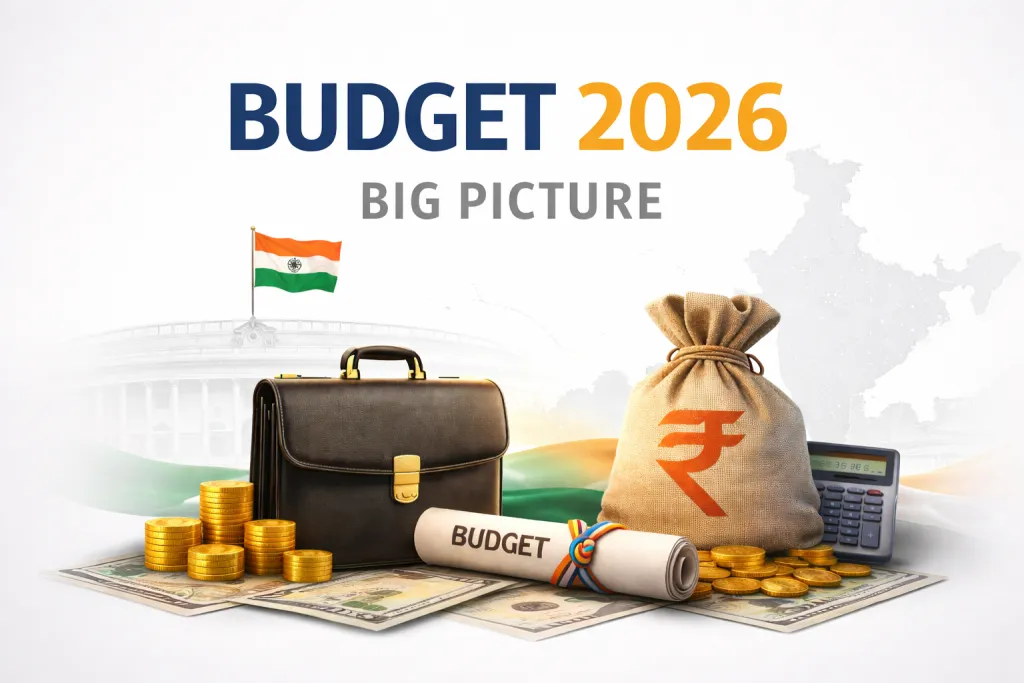
India's Union Budget 2026, unveiled by Finance Minister Nirmala Sitharaman on February 1, introduced a significant increase in Securities Transaction Tax (STT) on futures and options (F&O) trading, drawing sharp criticism from brokers, traders, and market participants. The move, effective April 1, 2026, raises STT on futures contracts from 0.02 percent to 0.05 percent, a 150 percent jump, while options premiums see a rise from 0.1 percent to 0.15 percent, and options exercise from 0.125 percent to 0.15 percent. This policy shift aims to rein in speculative trading but has sparked immediate backlash, including a letter from the Association of NSE Members of India (ANMI) seeking a full rollback, amid a brutal market sell-off on Budget day.
Government Justification Centers on Retail Trader Losses
Finance Minister Sitharaman defended the STT hike by labeling speculative derivatives trading as "satta," the Hindi term for gambling, highlighting studies from the Securities and Exchange Board of India (SEBI) that reveal nearly 90 percent of F&O participants incur losses. Revenue Secretary Arvind Shrivastava echoed this, pointing to derivatives trading volumes vastly exceeding underlying securities markets and India's GDP as signs of excessive speculation posing systemic risks. SEBI data for FY25 shows retail traders lost approximately Rs 1.05 lakh crore in equity derivatives, with 91 percent of individual traders closing the year in the red. The government projects STT collections to climb to Rs 73,700 crore in FY27, up from a revised Rs 63,670 crore this fiscal year, framing the hike as a prudent step to protect retail investors and bolster fiscal revenues.
Brokers Rally Against the Hike, Highlight Cost Burdens
The Association of NSE Members of India, representing trading members of the National Stock Exchange (NSE), BSE Limited, and Multi Commodity Exchange of India (MCX), fired off a letter to Sitharaman just days after the announcement, demanding an immediate reversal. ANMI warned that total futures trading costs will nearly double, with STT now comprising 84 percent of overall expenses, a disproportionate burden compared to options, which they view as more inherently speculative. The group cautioned that reduced liquidity, diminished risk-management tools for hedgers protecting portfolios, and lower active participation could ripple through markets, especially for Indian retail investors reliant on derivatives for income or hedging. Brokerage firms echoed these concerns, with platforms like Angel One Limited noting the hit to high-volume traders who pass costs to clients.
Immediate Market Sell-Off and Partial Recovery
Budget day unleashed chaos, as the BSE Sensex plunged as much as 1,547 points intraday, closing down 2.23 percent, while the Nifty 50 shed nearly 2 percent to end at 24,825. Brokerage and exchange stocks bore the brunt: BSE Limited tumbled nearly 15 percent, Angel One dropped around 13 percent, and Groww fell close to 14 percent in intraday trading. The following session saw partial rebound, with global brokerage Jefferies describing the STT hike as "largely manageable" and citing muted impacts from past increases on options turnover. For futures traders, real-world costs escalate dramatically, for example, per-lot expenses rising from Rs 322 to Rs 806, amplifying pressures on discount brokers and retail participants.
Implications for Indian Retail Investors and Trading Strategies
This STT escalation primarily targets retail speculation in F&O, leaving long-term equity investments untouched and signaling a broader push for fiscal stability amid global headwinds. While short-term volumes may contract, options still dominate retail activity, potentially nudging traders toward genuine hedging or safer avenues like index funds and ETFs, which align well with strategies for Bengaluru-based finance creators like you focusing on sustainable investing. Hedgers in commodities or portfolios may face efficiency squeezes, but the policy spares cash equities, mutual funds, and IPOs, preserving access for diversified growth. Critics argue it overlooks fintech innovations driving democratized trading, yet proponents see it as overdue investor protection, especially with SEBI's ongoing F&O reforms.
Broader Economic Context and Future Outlook
Presented under President Donald Trump's reelected administration influencing global cues, Budget 2026 prioritizes infrastructure and stability over populism, with the STT hike funding capex without major tax relief. For India's vibrant derivatives market, now the world's largest by volume, the changes could temper retail frenzy but sustain institutional depth, as past hikes showed resilience. Finance bloggers and content creators tracking NSE, BSE, and MCX trends should monitor ANMI's advocacy, SEBI consultations, and Q4 FY26 volumes for SEO-optimized updates on CFD trading, fintech platforms like MintCFD, and commodity plays including gold. As markets stabilize by February 6, 2026, the debate pits speculation curbs against liquidity vitality, shaping retail strategies in a maturing ecosystem.