Assam Petrochemicals Pioneers E-Methanol Plant at Kandla Port, Boosting India's Green Shipping Push
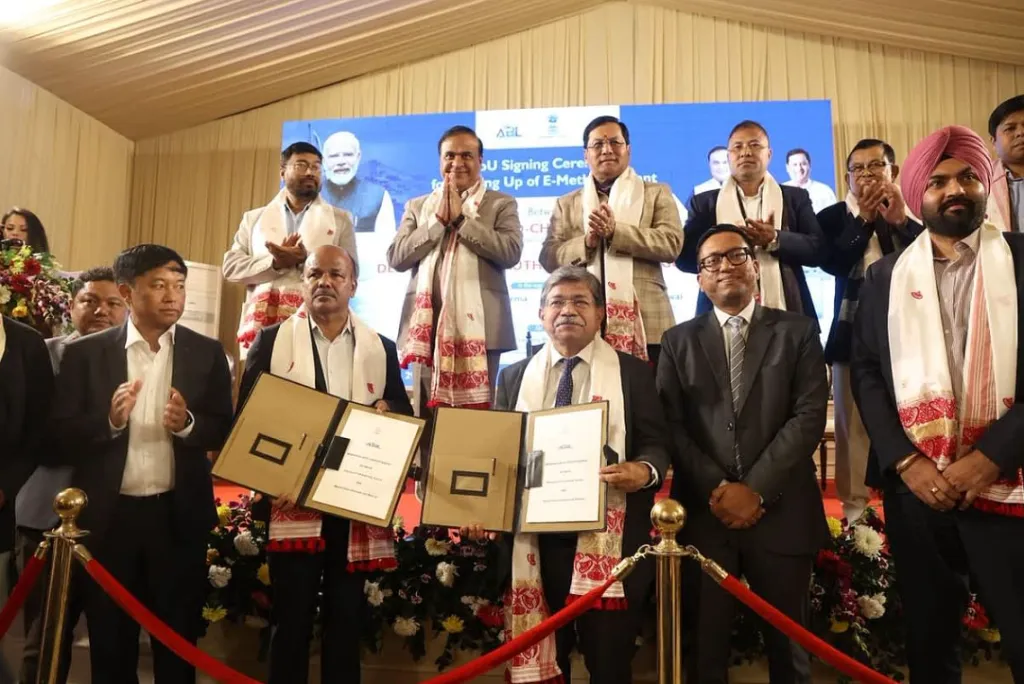
Assam Petrochemicals Limited (APL) has inked a landmark MoU with Deendayal Port Authority (DPA) to build a 150 tonnes per day (TPD) e-methanol plant at Kandla Port in Gujarat, marking the first green energy venture by an Assam public sector firm outside the state. Signed on January 29, 2026, at the Chief Minister's Secretariat in Dibrugarh, the deal was witnessed by Assam CM Himanta Biswa Sarma and Union Minister Sarbananda Sonowal. With an investment exceeding Rs 1,200 crore, the project is set to create around 3,500 jobs and position Kandla as a key green fuel hub.
Project Details and Infrastructure
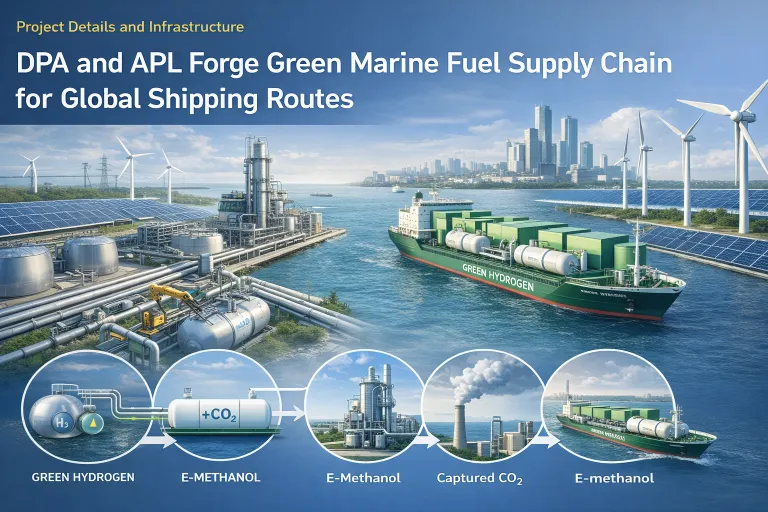
DPA will supply pipeline connectivity, storage, and fuel-handling facilities, while APL handles the e-methanol production unit, forming a seamless green marine fuel supply chain. The plant targets international shipping routes like Singapore-Rotterdam, aiding maritime decarbonization where electrification is tough. E-methanol is synthesized from green hydrogen-produced via renewable-powered electrolysis of water-and captured CO2, creating a near-zero emission fuel cycle.
Strategic Role in Clean Energy
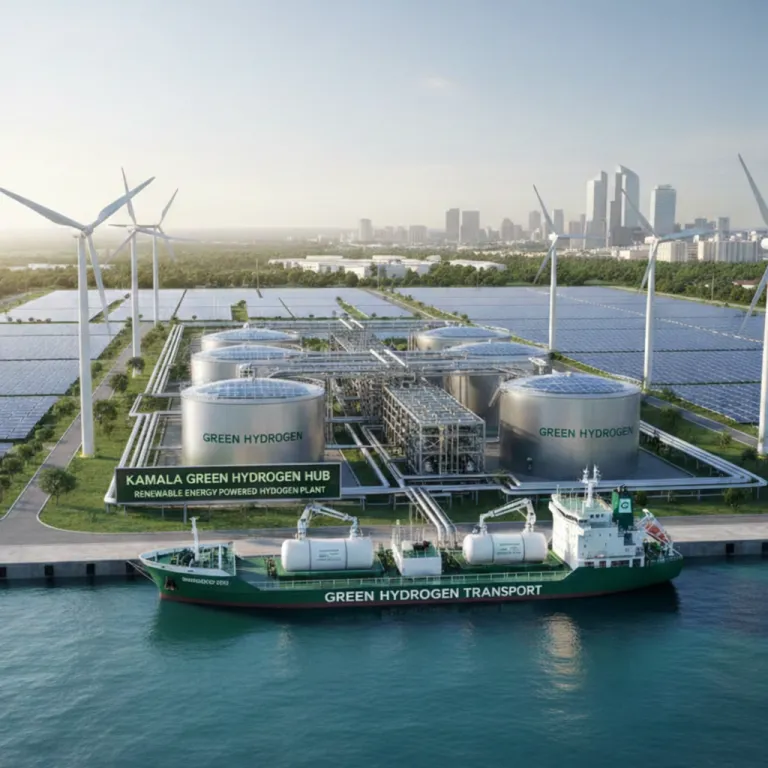
Kandla Port aligns with the National Green Hydrogen Mission by developing as a Green Hydrogen Hub, already hosting a 1 MW plant producing 140 tonnes annually and planning a 5 MW expansion. APL, India's pioneer in natural gas-based methanol since 1976 at its Namrup facility (now expanded to 500 TPD methanol), leverages decades of expertise for this solar-powered green shift. The initiative supports India's net-zero by 2070 goals and Atmanirbhar Bharat vision.
Leadership Vision and Impact
CM Sarma hailed it as Assam's "historic milestone" in national projects, expanding beyond state borders. Sonowal called it proof of "economic growth without compromising environmental responsibility," praising APL's role. For Assam's content creators tracking fintech and trading, this underscores green energy's investment potential amid rising demand for sustainable fuels in global supply chains.