Why the Rupee Jumped 21 Paise: Dollar Weakness, Crude & Tariffs
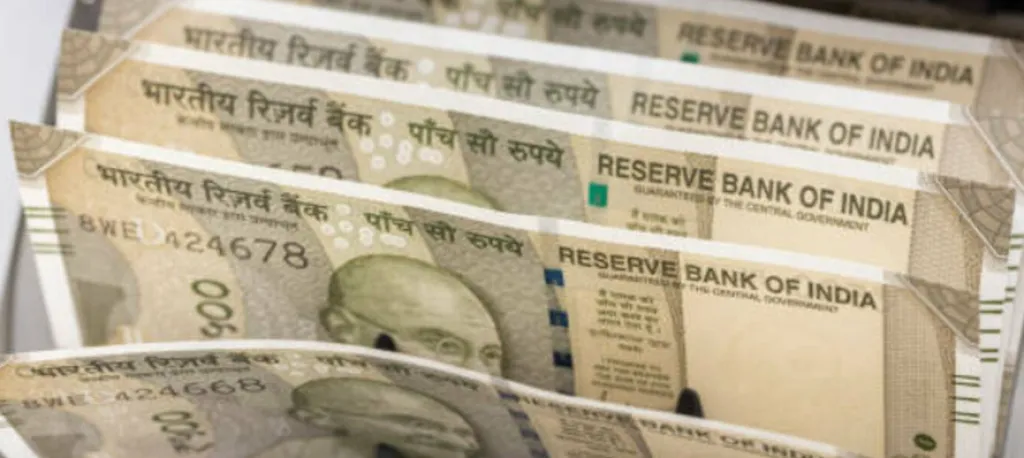
The rupee’s 21 paise rise to 90.73 against the US dollar is a classic three-factor move: a weaker dollar after the US Supreme Court’s tariff ruling, softer crude, and risk‑on sentiment in equities, with medium‑term implications that are more complex than the intraday cheer suggests.
What exactly happened?
The rupee opened around 90.76 and firmed to 90.73, compared with the previous close near 90.94, a gain of about 21 paise in early trade.
Brent crude slipped roughly 1.1% to around 70 - 71 USD per barrel, easing India’s oil import bill and immediate dollar demand from oil marketing companies.
The US dollar index fell after the US Supreme Court struck down President Trump’s earlier sweeping “emergency” tariffs, which markets see as supportive of non‑US growth and thus negative for the dollar in the short run.
Domestic equities opened strongly, with major indices rallying, reinforcing portfolio inflows and risk appetite for Indian assets.
The Supreme Court ruling and the dollar
What the ruling did
The US Supreme Court held that Trump’s broad use of an emergency trade law to impose wide‑ranging tariffs exceeded his authority, invalidating a key pillar of his earlier tariff regime.
In response, Trump quickly announced new across‑the‑board tariffs (10% initially, raised to 15%) under a different statute (Section 122 of the Trade Act), but these are time‑limited (around 150 days unless extended by Congress) and legally distinct.
Why this pushed the dollar lower
Markets read the rollback of the earlier tariffs as:
A potential positive for global (non-US) growth, since trade barriers from the old regime are partly unwound.
A political setback that slightly reduces the perception of unilateral US policy power and increases institutional constraints on the president.
Currency strategists explicitly noted that the ruling “weakens the dollar in the sense that it potentially benefits non‑US growth.”
As the dollar index slipped, most Asian currencies, including the rupee, gained from their previous closes.
Macro channels affecting India
1. Trade and tariffs
The invalidated tariffs reduce some uncertainty around US trade policy, but the new blanket 15% tariffs create a fresh, shorter‑term overhang for global trade flows.
For India, the direct export hit from US tariffs matters less than for China or Mexico, but key sectors like textiles, pharmaceuticals, IT‑hardware and some engineering goods could face margin pressure if the new levies are applied broadly and sustained.
More important is the second‑order effect: if global trade slows or gets more volatile, it can dampen demand for Indian exports and shift risk sentiment towards or away from emerging markets in waves.
2. Growth and capital flows
A partial unwind of the earlier tariff wall is seen as mildly supportive for global risk assets, which is why US and European stocks rallied after the ruling.
Risk‑on sentiment typically helps EM currencies and equities as investors rotate into higher‑beta assets, benefiting Indian stocks and the rupee in the near term.
However, the uncertainty around the new 15% blanket tariff, possible trade retaliation, and questions over tariff refunds to companies and consumers keep a layer of policy risk alive.
3. US fiscal and rates backdrop
If the US Treasury has to refund a significant amount of tariff revenue, it could widen the US fiscal deficit, with implications for US bond yields and the dollar over time.
Higher US yields would, all else equal, support the dollar later and can trigger bouts of outflows from EMs like India, offsetting any short‑term rupee strength.
Crude, rupee, and inflation: India‑specific impact
Why softer crude matters immediately
Brent around 70-71 USD is at the lower end of its 2026 trading band so far and down from recent spikes above 70 driven by geopolitical tension.
As a large net oil importer, India benefits via:
Lower current account pressure, because the oil import bill in dollar terms moderates.
Reduced dollar demand from oil marketing companies, directly easing pressure on USD/INR.
Softer inflation impulse from fuel, giving the RBI a bit more breathing space.
This is part of why the rupee strengthened intraday alongside other Asian currencies.
Medium‑term nuance
Oil has been volatile in 2026, with upside spikes linked to Middle East and Russia-Ukraine tensions, and a 14% rise year-to-date from earlier lows.
Structural projections from institutions like the World Bank and the IEA still see an average crude price in the high, 60s with supply surplus risks, suggesting no runaway oil shock but persistent volatility.
For India, that means intermittent relief rallies in the rupee when oil dips, but no guarantee of a sustained disinflation tailwind.
Implications for Indian markets
FX market (USD/INR)
Short term (days to weeks):
Bias towards a slightly stronger rupee as long as: dollar index stays under pressure, crude remains contained, and global risk sentiment is constructive.
RBI is likely to lean against excessive appreciation and excessive depreciation, using its sizeable reserves (over 725 billion USD) to smooth volatility and keep the pair within a broad band around 90–91.
Medium term (months):
The new 15% US tariff framework, if extended or escalated, can re‑ignite risk aversion and support the dollar, pressuring the rupee back toward or above 91.
Persistent foreign portfolio outflows, as seen in recent sessions where FIIs were net equity sellers, can cap rupee gains despite supportive global cues.
Traders in India are already signaling that dollar‑buying interest remains strong and expect the rupee to face selling pressure as the day progresses.
Equities
Near term:
Banks, NBFCs, domestic cyclicals and import‑heavy sectors (autos, consumer durables, aviation) benefit from a firmer rupee and softer crude via lower input costs and improved margins.
Exporters (IT services, pharma, specialty chemicals, select manufacturing) may see mild earnings headwinds from currency strength, though the move so far is small.
Medium term:
If global trade uncertainty persists due to the new tariff regime, export‑dependent sectors could face order‑book volatility, even if the rupee is not materially stronger.
On the positive side, if supply chains continue diversifying away from China, India could still attract incremental FDI and manufacturing mandates despite US tariff noise, supporting capital goods, logistics and industrial REITs over a multi‑year horizon.
Debt and RBI policy
A slightly stronger rupee and softer imported inflation give RBI some room to remain data‑dependent rather than aggressively hawkish, which supports G‑sec prices in the near term.
But if US yields rise later due to higher deficits or renewed inflation concerns, Indian yields may also have to adjust to maintain carry attractiveness, particularly if portfolio flows turn choppy.
How to think about it as an Indian investor/trader
Key takeaways for positioning
Do not over‑interpret the 21‑paise move; it is a textbook reaction to a one‑off global legal event, oil softness, and risk‑on equities, not a structural regime shift.
For FX hedging:
Importers (especially energy‑intensive sectors) can use current rupee strength to hedge near‑term exposures, given traders’ expectation of renewed dollar demand later.
Exporters may prefer staggered hedging rather than locking everything at current levels, as policy uncertainty in the US could bring bouts of dollar strength back.
For equity portfolios:
Overweight domestic‑demand stories and oil‑sensitive plays tactically during phases of rupee strength and crude softness.
Maintain core exposure to quality exporters, but be realistic about near‑term FX headwinds and global trade noise.