The Future of India’s Energy Sector: Wind, Solar and more
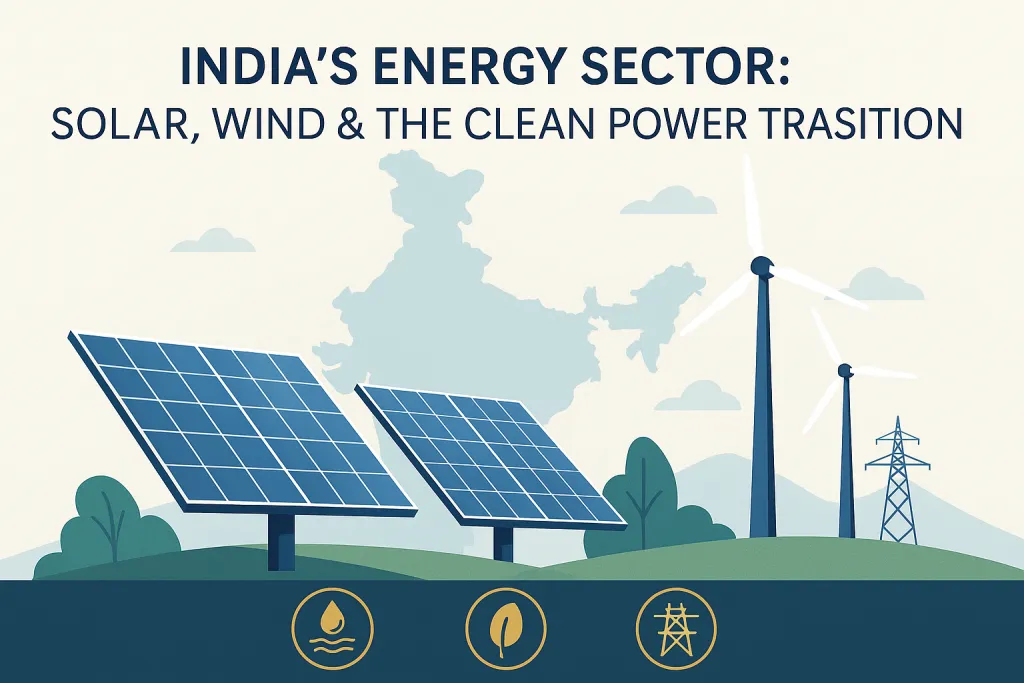
India’s energy sector is undergoing one of the largest and fastest transformations in the world. As the nation balances economic growth, rising energy demand, and environmental responsibility, its long-term strategy is increasingly centered around renewable energy. Solar and wind power have become the backbone of this transition, but the broader ecosystem also includes bioenergy, hydropower, nuclear energy, and a gradual shift in how fossil fuels are used.
This article provides a holistic overview of India’s evolving energy landscape, the progress made, challenges ahead, and what the future holds.
1. India’s Energy Demand: A Snapshot
India is the world’s third-largest energy consumer. Rapid urbanization, industrial expansion, and rising incomes continue to push demand higher. Traditionally, coal and imported oil dominated India’s energy mix. However, policy direction and investments over the past decade have significantly accelerated the shift toward cleaner sources.
India has committed to achieving:
500 GW of non-fossil fuel capacity by 2030
50% of its electricity from renewables by 2030
Net-zero emissions by 2070
These targets are reshaping how energy is produced, stored, distributed, and consumed.
2. Solar Energy: The Flagship of India’s Energy Transition
Solar is at the forefront of India’s renewable energy revolution.
Rapid Capacity Growth
India has built some of the world’s largest solar farms and has become one of the fastest-growing solar markets. Rooftop solar adoption is also increasing due to falling costs, government incentives, and improved financing options.
Ultra-Mega Solar Parks
Several states, including Rajasthan, Gujarat, Karnataka, and Andhra Pradesh, host massive solar parks that are transforming regional energy supply. These parks reduce land and transmission constraints while attracting private investment.
Residential and Commercial Rooftop Solar
Rooftop solar is gaining traction through net-metering, subsidy programs, and improved financing. Commercial and industrial consumers are adopting rooftop solar to cut long-term energy costs.
Challenges
Intermittency and storage requirements
Land acquisition in high-potential states
Transmission infrastructure constraints
Despite these issues, the long-term outlook for solar remains overwhelmingly positive.
3. Wind Energy: A Stable and Growing Complement to Solar
Wind power plays an essential role in balancing India’s renewable energy mix.
Current Status
India ranks among the world’s top wind power producers, with strong wind corridors in Tamil Nadu, Gujarat, Maharashtra, and Karnataka.
Offshore Wind Potential
Offshore wind, especially along the Gujarat and Tamil Nadu coasts, is being explored through new tenders. Offshore installations, though costly, can significantly boost renewable capacity.
Repowering Old Turbines
Many of India’s early wind farms use older, low-capacity turbines. Repowering them can unlock higher efficiency and generation without acquiring new land.
Challenges
Slower capacity addition in recent years
Delays in tendering and grid readiness
Financing hurdles for offshore wind
Even with these challenges, wind remains crucial for ensuring a diversified and dependable renewable grid.
4. Hydropower: Stability and Storage
Hydropower is India’s most reliable renewable source and supports grid stability.
Types of Hydropower in India
Large dams (Himalayan rivers)
Small hydro projects
Pumped storage (increasingly important for balancing solar and wind)
Pumped storage, in particular, is emerging as India’s preferred large-scale energy storage solution to complement intermittent renewables.
Challenges
Environmental sensitivities
Project delays due to complex approvals
Climate-driven variability in rainfall
Despite hurdles, hydropower remains indispensable for grid stability and long-duration storage.
5. Bioenergy: A Growing Rural and Industrial Solution
Bioenergy includes biogas, bio-CNG, biomass pellets, and ethanol blending.
Ethanol Blending Program
India’s push for 20 percent ethanol-blended petrol is reducing oil imports and boosting the rural economy.
Biogas and Bio-CNG
These fuels support rural households, industries, and transport sectors while reducing waste.
Bioenergy contributes to both energy security and environmental sustainability.
6. Fossil Fuels: Gradual, Not Immediate, Transition
While renewables are growing rapidly, coal, oil, and natural gas will remain part of India’s energy system in the medium term.
Coal
Still dominant in electricity generation, but future growth is slowing as renewables expand.
Oil and Gas
India remains heavily import-dependent. Expansion of LNG terminals, strategic reserves, and exploration attempts aim to enhance energy security.
Just Transition
The challenge is to transition away from fossil fuels without disrupting industrial growth or employment.
7. Nuclear Energy: Reliable but Slow-Growing
Nuclear energy provides a steady baseload with minimal emissions.
Current Landscape
India operates multiple reactors and is building new ones using both domestic and foreign technology.
Why Nuclear Matters
Provides consistent power
Reduces dependence on imported fuels
Helps meet long-term climate goals
However, high project costs and long construction timelines slow expansion.
8. Energy Storage and Grid Modernization
A renewable-heavy grid requires flexible storage and smart infrastructure.
Key Developments
Lithium-ion battery storage projects
Pumped hydro storage
Smart meters for better demand management
Green transmission corridors for solar and wind hubs
These technologies ensure reliability as renewable penetration increases.
9. Policy and Investment Landscape
India’s energy transition is driven by:
Clear policy direction
Competitive renewable tendering
Private-sector investment
International financing
State-wise reforms
Government programs such as the Green Energy Corridor, Production-Linked Incentives (PLI) for solar manufacturing, and new offshore wind tenders are reshaping the sector’s fundamentals.
10. The Road Ahead
India’s energy future will be shaped by:
Rapid growth in solar and wind
Grid-scale storage expansion
Local manufacturing of renewable technology
Cleaner transport: EVs, hydrogen, biofuels
Improved energy efficiency across sectors
With the right execution, India is positioned to become one of the world’s largest clean-energy markets.
Conclusion
India’s energy sector is at a turning point. While fossil fuels will remain part of the mix for now, the accelerating growth of solar, wind, hydro, and bioenergy demonstrates a clear shift toward a cleaner, more resilient future. Investments in storage, grid modernization, and local manufacturing will strengthen this transition.
The coming decade will be defined by how effectively India can balance its energy needs with sustainability, affordability, and security — and the progress so far suggests that the transition is well underway.