Trump Signs Russia Sanctions Law: Why India Faces a 100% US Tariff Risk
Time to read: 3 minutes
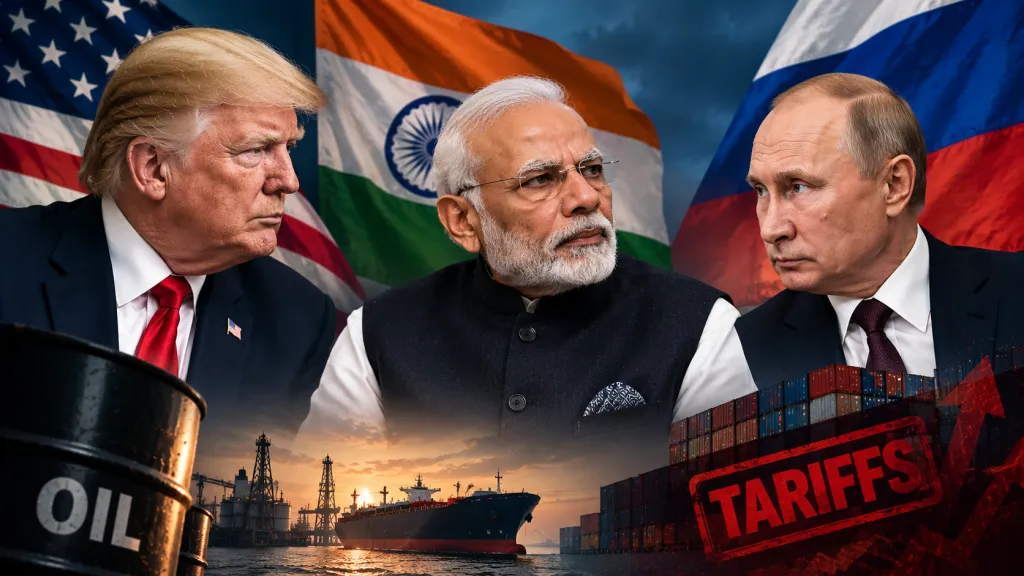
US President Donald Trump has signed a new Russia sanctions law that gives his administration the authority to impose tariffs of up to 100% on countries that continue to purchase significant amounts of Russian oil and gas. India and China are among the countries that could potentially be affected.
Trump signed the Lindsey O. Graham Sanctioning Russia and Iran Act of 2026 on September 18. The White House said the law expands statutory sanctions, tariffs and other restrictions related to Russia and extends existing sanctions on Iran.
However, the development does not mean that a 100% tariff has already been imposed on Indian goods. The legislation gives the US administration the power to introduce tariffs of up to that level if the conditions set out in the law are met. Reuters reported that the legislation gives Trump broad discretion over how the new tariff powers are used.
Why India is exposed
The main issue for India is its continued dependence on Russian crude oil.
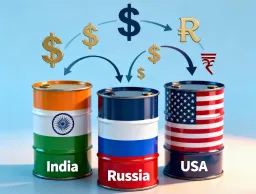
Russia has become one of India's largest sources of crude since Western sanctions and disruptions to global energy trade following the Russia-Ukraine war. Reuters reported that Russian crude accounted for more than 40% of India's overall oil supplies, making any restrictions on that trade particularly important for India's energy market.
India is also heavily dependent on imported oil overall. This means New Delhi faces a difficult trade-off if the US eventually applies additional tariffs over Russian energy purchases.
Reducing Russian oil purchases could increase India's need to source crude from other suppliers, potentially raising procurement and transportation costs. Continuing to buy Russian crude, meanwhile, could increase the risk of additional US trade measures.
Indian officials have said the country will continue to protect its energy security and economic interests. The government has also indicated that India sources energy based on commercial considerations and continues to maintain relationships with multiple suppliers.
What could happen to Indian exports?
The issue is not limited to India's oil bill.
The United States is one of India's most important export markets, so any significant increase in tariffs on Indian products could affect companies that depend heavily on US demand.
Indian exporters across sectors such as textiles, engineering products, chemicals, pharmaceuticals, jewellery and other manufactured goods could face higher costs in the US market if additional duties are introduced.
The potential impact will depend heavily on how the Trump administration uses the new authority. The law does not currently specify that every Indian product will face a 100% duty, and the final measures could depend on the products targeted, the tariff rate selected and any exemptions or waivers that may be introduced.
For now, therefore, the headline risk is larger than the immediate trade impact.
Oil and the rupee remain key market variables
The tariff issue is also unfolding against a sensitive global energy backdrop.
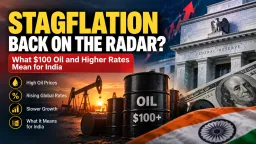
Higher crude prices can put pressure on oil-importing economies such as India by increasing the country's import bill. At the same time, a weaker rupee makes dollar-denominated oil purchases more expensive.
The Indian rupee has recently traded close to the ₹96 per dollar level, while global oil prices have remained elevated amid continuing geopolitical tensions. Reuters reported that the rupee closed around ₹95.87 per dollar on September 18.
This creates another channel through which the US-Russia dispute could affect Indian markets. A combination of higher crude prices, a weaker rupee and concerns over exports could influence sentiment around Indian equities and currency markets.
Markets will now watch Washington's next move
The immediate question is no longer whether the US has created the legal mechanism for higher tariffs. It has.
The focus is now on whether the Trump administration actually uses that authority against major buyers of Russian energy, including India, and what level of tariffs and product coverage it chooses.
For Indian markets, developments in USD/INR, crude oil, gold and equities could become particularly important as investors assess the potential impact on inflation, trade and capital flows.
For now, the 100% figure should be viewed as a maximum tariff risk created by the new law, rather than a tariff already imposed on India. Any actual measure against Indian imports would depend on further action by the US administration.
This article is intended solely for educational and informational purposes and does not constitute investment, trading or financial advice. Market conditions can change rapidly. References to equities, commodities, currencies or indices are for explaining market developments and should not be interpreted as recommendations to buy, sell or hold any financial instrument.