Bitcoin's 2026 Rollercoaster: $126K Peak to $67K Slump Explained
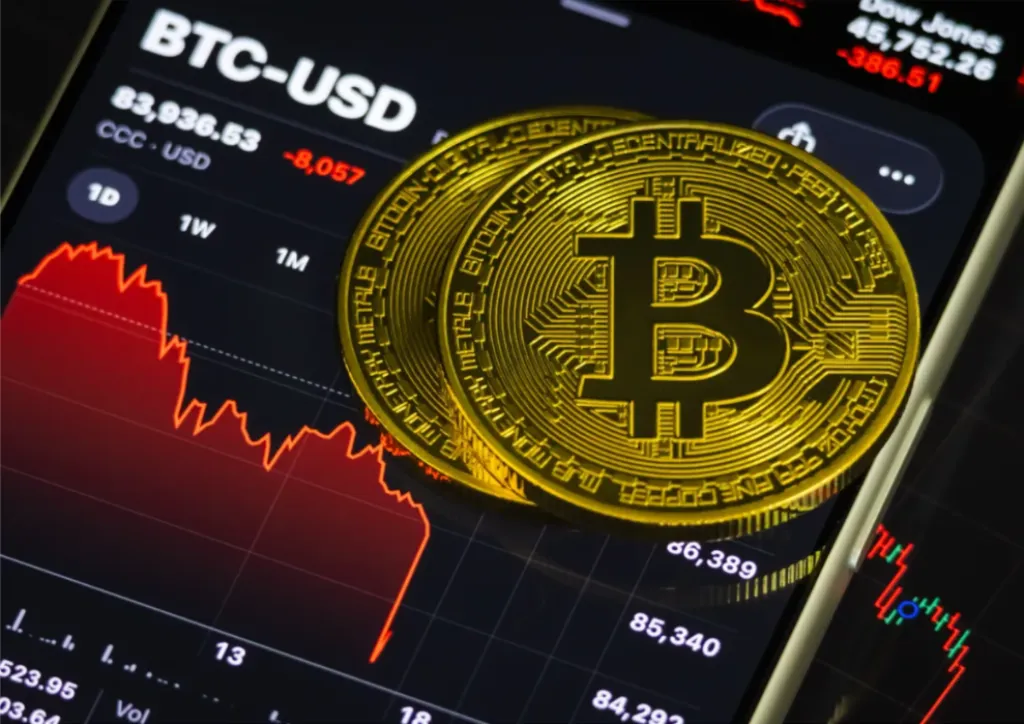
Bitcoin's price swings in early 2026 show how crypto markets react to company moves, chart signals, investor cash flows, and big economic news. These factors mix together to push prices up or down. Markets follow logic: they change based on new facts that shift the balance between risk and reward for owning volatile assets like Bitcoin that pay no interest. Let's walk through this step by step in plain terms, expanding on why each part happened and what it means for the future. We'll look at the ups, the downs, and what's next, using simple examples anyone can grasp.
The upswing started on January 14 when Bitcoin jumped back over $95,000. It came from strong backing by companies who see Bitcoin as a smart long-term hold. Take Michael Saylor's firm Strategy, once known as MicroStrategy. They bought $1.3 billion in Bitcoin, their biggest single buy since July. They did not guess wildly or chase hype. They stuck to their clear plan: treat Bitcoin like digital gold, a safe store of value protected from governments printing too much money. Why buy right then? Prices had dipped a bit after the holidays, giving them a chance to buy at good levels without overpaying. To pay for it, they sold over $1 billion in new company shares. This was a clever trick. It spread ownership a little to grab an asset with huge growth potential ahead. Best part, it kept their cash pile ready for even more chances later. Right away, Strategy's own stock price rose 7%. Why? People wanted to bet on Bitcoin but through a regular stock, skipping the hassle of holding crypto themselves with worries like hacks or changing rules. Now Strategy owns about $66 billion worth of Bitcoin, bought at an average of $75,000 each. Think about that track record. They have survived several market crashes and still sit on paper profits over 25 times what they paid early on. This kind of bold company action spreads confidence. Small traders feel safer, and big institutions think, "If smart firms do it, maybe we should too."
Big US Bitcoin funds piled on next. These are spot exchange-traded products listed on stock markets. They saw their best cash coming in since October. Picture big players like pension funds for teachers or rich family trusts. Rules limit what they can buy, so they love these safe, government-approved wrappers around Bitcoin. Once leaders like BlackRock and Fidelity jumped in first, others followed fast. It's like a game where no one wants to miss the train while friends get rich. More buys push prices higher, which calms the wild ups and downs, drawing in even pickier investors who hate risk. By January 14, it all lined up perfectly. Companies loading up, funds filling with cash, charts looking solid. The message was clear: more people using Bitcoin every day, money flowing easy, good times ahead.
But markets never stay one way. They spot problems quickly when facts change. By January 27, Bitcoin fell below its key long-term up line on price charts. This "bullish trendline" connected the bottom at $20,000 back in early 2023 all the way to the top of $126,000 last October. Charts work because they capture real history. That line showed spots where buyers stepped in strong before, like a crowd memory of support levels. When prices break through, it triggers automatic sales. Computer programs sell fast, over-borrowed traders get kicked out, and everyday folks hit their safety stops. Everyone agrees, time to switch from buying mode to selling mode, entering what traders call a bear market. The drop did not go crazy. Prices hit a weekend low around $86,000 then climbed back near $88,000. No mass panic, but it highlighted weak spots. Without new buyers jumping in, the natural pull down took over.
Cash flows from funds made it worse. Those same US Bitcoin products went from adding money to losing $1.33 billion in one week. That was the biggest outflow in 11 months. On Monday, just $6.84 million trickled in. Why the sudden switch? Money chases the best deals. Traders shifted to gold and silver, which had stronger runs lately thanks to world troubles like wars in the Middle East and trade fights between the US and China. FXPro expert Alex Kuptsikevich put it simply: speculators got stuck on metals, leaving no energy left for crypto. Gold feels more real because you can touch it and central banks buy tons. Silver gets extra boost from real-world uses in solar panels, phones, and jewelry. This is not people hating Bitcoin forever. It's just smart shopping. When other options give steadier gains with less stomach-churning drops, cash moves there until crypto heats up again.
Jump to February 12, and Bitcoin sits at $67,200, down 0.5% on the last day. Ethereum stays flat at $1,970. Prices bounce in a tight range from $62,800 to $72,000. Low swings mean everyone is holding breath, waiting for the next big clue. That clue comes Friday with the late January prices report, delayed by government shutdown drama. Experts expect 2.5% yearly rise in prices, down a bit from December. Caladan's Derek Lim says this beats jobs news for swaying the Federal Reserve. Here's why, step by step. Low price numbers change what the Fed thinks about the future. It raises chances they cut interest rates sooner. Lower rates make bonds cheaper, which cuts the math on future money value. For Bitcoin, priced on how many users it has and its built-in rarity, easy loans spark buying sprees. Remember 2020? Rates near zero led to Bitcoin tripling as money flooded risky bets.
What if prices come in hotter than expected? High rates stick around longer, making Bitcoin look bad because it earns nothing while safe options pay more. Jobs news Wednesday hurt hopes: 130,000 new jobs added, best in four months. Now 94.6% chance the Fed keeps rates at 3.50%-3.75%. HashKey's Tim Sun explains the twist: strong jobs are great for the country but rough on markets. A healthy economy means no rush for Fed help. High government bond rates keep loan costs up, squeezing things like Bitcoin that act like fast-growing tech bets. Sun sees silver linings though. Data on the Bitcoin network shows selling slowing down. Key scores like realized value and profit ratios look normal again. It hints weak sellers are done, but no sure sign of turnaround yet. Inside buying matters, but outside economy news calls the shots.
Look at betting markets for clues on mood. VanEck's Matthew Siegel points out too many folks buying downside protection. That jacks up costs for safety bets, leaving upside plays super cheap. Fear bunches up on defense, setting up big wins for those betting on bounces. Smart bulls grab those low-cost upside options. They win huge if gold and silver cool off and money swings back. Strategy adds safety too. They won't sell cheap with giant unrealized gains still on books.
Step back for the full picture. Bitcoin acts like smart markets overall. Companies light the fire, charts act as gates, cash flows speed it up or slow it, economy rules all. Bulls point to past low-rate booms like 2023's 150% jump. Bears say no recession means Fed stays tough. History repeats patterns: 2018 tanked on tight money, 2021 soared on free cash. Check tools like miner earnings scores, sell profit rates, and loan costs. All say be careful now after the January heat.
Extra wild cards wait. US government shutdown messes data timing, shakes trust. President Trump's return could loosen crypto rules, maybe even make Bitcoin a national reserve like gold. World events play in too. Japan's strong election win boosts their money, weakens the dollar, and sends folks to safe buys. Deep network checks show sales peaked late January, now more holding. Counts hit recent bottoms, signaling local cheap points.
To wrap up long, the core logic holds: Bitcoin shines in easy money times for big-risk plays. Think low rates, growing money supply, soft dollar. Weakness hangs on without price report spark, but tired selling plus bargain bets line up wins for patient holders. People use simple rules to figure it out. Fed rate math for paths ahead, flow confusion measures, bet size formulas. Waiting picks truth from junk. Past shows easy money fans win big.
Your Bitcoin Playbook for 2026
Markets boil down to four signals-watch them like a dashboard:
Fed data first: CPI, jobs, rates. Today's late January CPI (expected 2.5% YoY) could flip rate cut odds from 94% steady to cuts sooner.
Cash flows second: ETF inflows/outflows and treasury buys (Strategy led January corporate buying at 97.5%).
Charts third: Above the 2023 trendline? Bull mode. Below? Bears rule until new buyers step in.
Network last: Miner scores, realized value normalizing-weak hands shaken out, no panic dump yet.
What Happens Next: Two Clear Paths
If CPI cools (below 2.5%), markets cheer the Fed pivot. Lower rates slash Bitcoin's "no yield" penalty, sparking ETF inflows like 2024's boom. Strategy and peers buy dips, pushing tests of $72,000 fast-then higher if cuts follow. Replay 2020-21: risk assets triple on free money.
Hot CPI (above 2.5%) means pain first. Sticky inflation keeps rates at 3.50%-3.75%, favoring gold/silver rotations. Bitcoin grinds to $60k lows (or realized price $55k), shaking final holdouts before rebounding on oversold signals. Company treasuries like Strategy provide the floor-they buy, not sell.
Either way, ETF wrappers and tech upgrades (faster payments, millions of daily users) lock in steady adoption. Network hash power at records means ironclad security. Risks like miner costs or quiet whale dumps linger, but the 21 million cap and global shifts (Trump rules, Japan yen strength) favor bulls over time.
Bitcoin doesn't move on vibes-it moves when new facts rewrite the risk-reward math. In 2026, that math is live, and the patient player wins.