Bad Credit & Bad Loans Explained: How to Recover and Rebuild Your Score
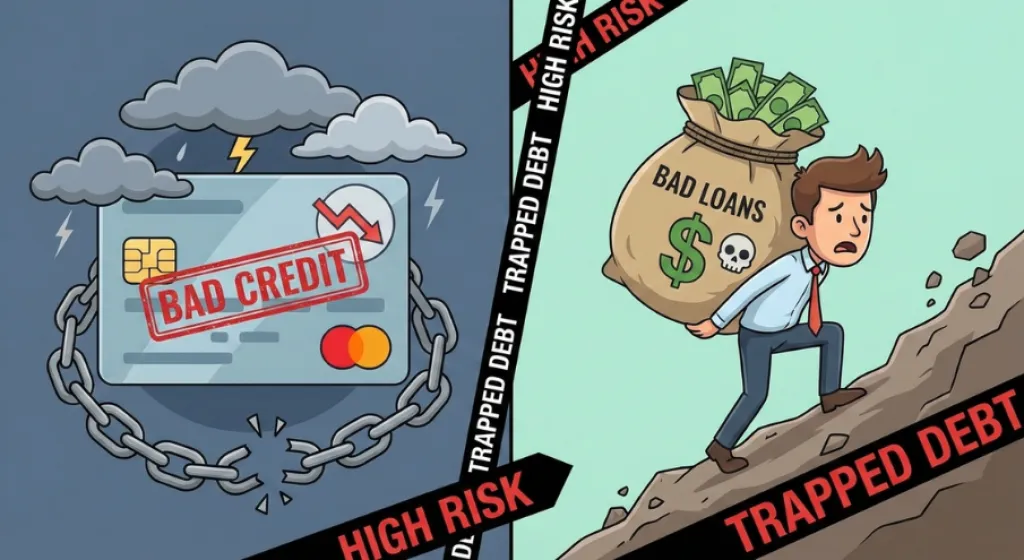
Bad credit and bad loans create significant financial hurdles, often leading to a vicious cycle of debt and restricted access to affordable borrowing. With disciplined strategies, individuals can manage these challenges effectively and rebuild their creditworthiness over time. Credit scores are not permanent; they can improve substantially through targeted actions, offering a path to better financial health.
Defining Bad Credit
Bad credit refers to a low credit score, generally below 600 on scales like FICO in the US or CIBIL in India, resulting from factors such as missed payments, excessive debt, bankruptcies, or accounts in collections. This poor rating stems from irresponsible borrowing habits or unfortunate events like job loss, medical emergencies, or economic downturns that disrupt repayment ability. Lenders view individuals with bad credit as high risk, which translates into unfavorable loan terms or outright rejections from traditional banks and financial institutions.
Consequences of Bad Credit
The ripple effects extend far beyond borrowing. People with bad credit face steeper interest rates on any approved loans, sometimes exceeding 25 percent APR, alongside hefty origination fees that compound the debt burden. Renting an apartment becomes challenging as landlords check credit reports, and even employment opportunities in sectors like banking or real estate may slip away due to credit stipulations. In the Indian context, a CIBIL score under 650 often bars access to home loans from major banks like State Bank of India or Housing Development Finance Corporation, forcing reliance on costlier nonbanking financial companies.
What Are Bad Loans
Bad loans, often termed subprime or predatory loans, target those with tarnished credit profiles and feature exorbitant interest rates ranging from 20 to 36 percent, short repayment periods, and hidden fees. These products include payday loans, high-interest personal loans, or title loans that seize assets upon default, designed more for profit than borrower welfare. Accepting such loans provides temporary relief but deepens the financial hole, as high costs inflate balances faster than payments can catch up, further damaging credit scores for up to seven years.
Immediate Actions for Bad Loans
Start by contacting creditors immediately to negotiate alternatives like payment holidays, reduced interest rates, or structured settlement plans that forgive portions of debt in exchange for lump sum payments. Prioritize debts with the highest interest rates or those in collections, as settling them promptly can lead to quicker removal from your credit report. Document all communications and agreements in writing to protect against disputes, and consider free credit counseling from nonprofit agencies certified by bodies like the National Foundation for Credit Counseling. In India, approach the Reserve Bank of India’s Sachet portal for complaints against unfair lending practices.
Checking and Correcting Your Credit Report
Obtain your free annual credit report from agencies like CIBIL, Equifax, or Experian to scrutinize for inaccuracies such as wrongly listed late payments or duplicate accounts. Dispute errors online or via mail with supporting evidence; corrections often appear within 30 days and can boost scores rapidly. Regularly monitoring through apps like CIBIL’s free service or Experian Boost, which adds utility and rent payments to your score, provides ongoing insights and early warnings.
Proven Ways to Improve Credit Score
Credit scores can rise by 100 points or more within six to twelve months with consistent effort, as scoring models reward positive behaviors. Payment history, accounting for 35 percent of your FICO or CIBIL score, improves most when you pay every bill on time; automate payments and set calendar alerts to eliminate oversights. Credit utilization, 30 percent of the score, drops below the ideal 30 percent threshold by aggressively paying down credit card balances before statement dates.
Key Credit Score Factors Breakdown
Understanding the components empowers targeted improvements.
Factor | Weight | Actionable Steps |
Payment History | 35% | Use autopay for all bills; catch up on delinquencies |
Credit Utilization | 30% | Reduce balances to under 30 percent of limits |
Length of History | 15% | Retain oldest accounts; avoid closing paid-off cards |
New Credit | 10% | Space applications; limit to one or two per year |
Credit Mix | 10% | Balance revolving and installment credit responsibly |
Building Positive Credit History
For those starting from scratch, secured credit cards require a refundable deposit as your spending limit and report activity to bureaus, mimicking responsible use without risk. Credit builder loans, offered by some Indian banks and US credit unions, hold your payments in a savings account until term end, then release funds while building history. Becoming an authorized user on a family member’s well managed card piggybacks their positive history, but choose accounts with low utilization and long age.
Long Term Financial Habits
Cultivate an emergency fund covering three to six months of expenses in a high-yield savings account to buffer against future setbacks. Diversify income streams and resist impulse borrowing by using debit or prepaid cards for daily spends. Review progress quarterly; scores often stabilize above 700 within 18 to 24 months, unlocking prime rates on mortgages and auto loans. Pair these with budgeting apps like those from Mint or Indian platforms like Walnut to track spending patterns and stay aligned.
India Specific Tips
Indian borrowers benefit from schemes like the Credit Guarantee Fund Trust for Micro and Small Enterprises for collateral free loans post-recovery. Timely repayment of even small EMIs on gold loans or consumer durables from NBFCs like Bajaj Finserv adds positive data. Avoid multiple loan applications, as hard inquiries ding scores temporarily, and leverage PSB Loans in 59 Minutes for quick assessments if eligible. Patience and persistence pay off, transforming bad credit into a foundation for wealth building.