Trump’s Greenland Push Sparks Nordic Unity and NATO Tensions
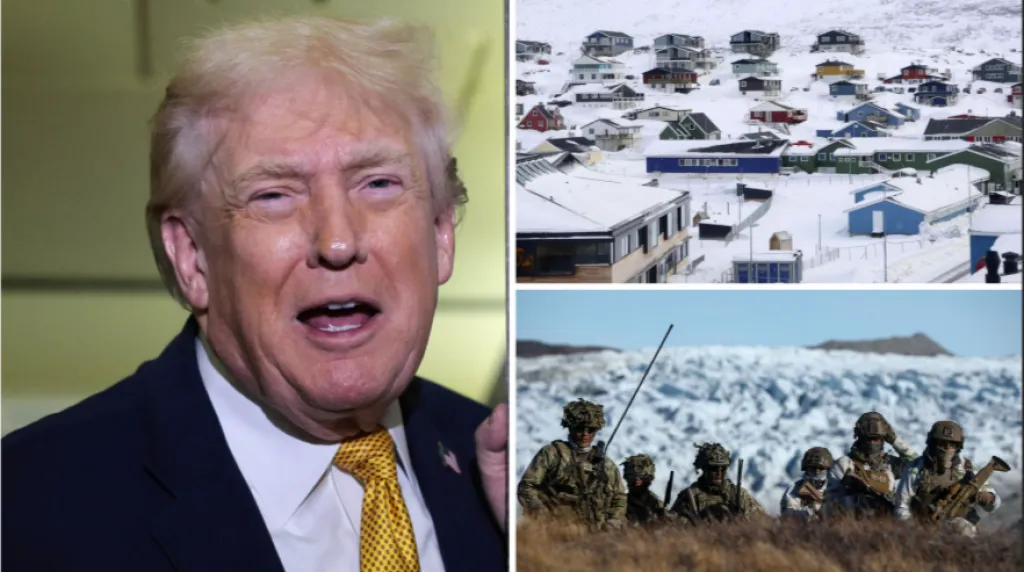
Donald Trump’s renewed push to assert control over Greenland has triggered an unusual show of Nordic unity and raised serious questions about the future of NATO, Arctic security, and alliance politics. What reads like a geopolitical thriller complete with timelines, ultimatums, and online provocations carries real consequences for sovereignty, international law, and great-power competition in the High North.
Trump’s Greenland Ultimatum Raises Stakes
Speaking aboard Air Force One, Donald Trump left little room for ambiguity when he said the United States “needs Greenland” for national security reasons. He even outlined a rough timetable: “We’ll worry about Greenland in about two months… let’s talk about Greenland in 20 days.”
Pressed on why Washington should seek control over territory governed by a NATO ally, Trump framed the issue as strategic necessity rather than diplomacy. He argued that Denmark is “not going to be able to do it” and claimed that “the European Union needs us to have it.”
For officials in Copenhagen and Nuuk, the language sounded less like speculation and more like pressure.
Denmark Pushes Back, Cites NATO Obligations
Danish Prime Minister Mette Frederiksen responded forcefully as Trump’s rhetoric escalated. She rejected any justification for annexation, stating that the United States has “no legal basis” to take over Greenland, which is part of the Kingdom of Denmark.
Frederiksen also anchored Denmark’s response firmly within NATO’s collective defense framework. Greenland, she noted, is covered by Article 5 protections, and any attempt to seize territory by force would strike at the core of the alliance. While acknowledging existing defense cooperation with Washington including broad U.S. access to Greenland she warned that threatening an ally undermines trust within NATO.
Greenland Rejects Annexation Talk
In Nuuk, Greenland’s Prime Minister Jens‑Frederik Nielsen delivered the strongest response yet. “That’s enough now,” he said. “No more pressure. No more insinuations. No more fantasies of annexation.”
Nielsen emphasized that Greenland is not a geopolitical asset to be claimed but an autonomous society with the right to self-determination under international law. While remaining open to dialogue, he stressed that cooperation not coercion has defined U.S.–Greenland relations for decades, including the long-standing American military presence at Pituffik (formerly Thule Air Base).
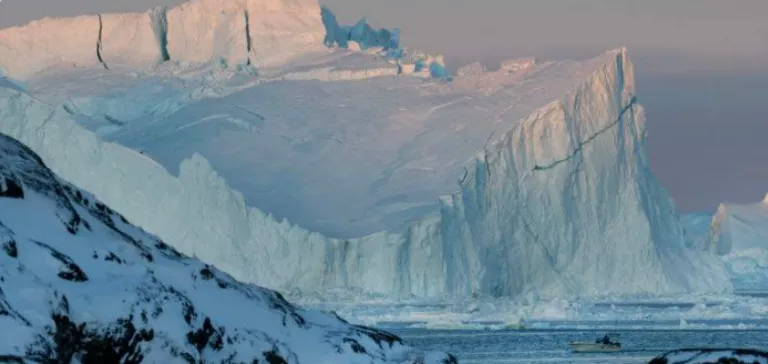
Nordic Countries Close Ranks
Rather than isolating Denmark, Trump’s comments produced rare and swift Nordic solidarity. Leaders across Scandinavia publicly backed Copenhagen’s position on sovereignty and self-determination.
Finland’s President Alexander Stubb stated that only Denmark and Greenland have the right to decide Greenland’s future. Norway’s Prime Minister Jonas Gahr Støre echoed that view, calling Greenland an integral part of the Kingdom of Denmark. Sweden’s Prime Minister Ulf Kristersson and Iceland’s Prime Minister Kristrún Frostadóttir issued similar statements, underscoring regional unity against external pressure.
Online Provocations Add Fuel
Tensions escalated further after an image of Greenland draped in the U.S. flag appeared on X with the caption “SOON.” The post, shared by Katie Miller wife of Trump adviser Stephen Miller was widely seen in Denmark and Greenland as more than internet provocation.
Denmark’s ambassador to the United States issued a pointed reminder that Denmark is a NATO member and expects full respect for its territorial integrity. Greenlandic leaders described the post as disrespectful and symptomatic of a broader pattern of intimidation.
The appointment of Louisiana Governor Jeff Landry as a special envoy to Greenland further signaled that Washington is treating the issue as an active geopolitical file rather than rhetorical theatre.
Venezuela, Resources, and a Broader Strategy
Analysts have drawn parallels between the Greenland episode and recent U.S. actions in Venezuela, where President Nicolás Maduro was seized and flown to the U.S. to face criminal charges. Trump framed that move as both a security operation and an economic reset, openly suggesting U.S. administration over Venezuelan oil resources.
Observers warn that this model strategic intervention paired with resource control could shape how Trump views Greenland’s mineral wealth, shipping routes, and Arctic positioning. As one analyst put it: “If Venezuela was about removing a threat, Greenland is about securing an asset.”
With Trump reviving ideas first floated in 2019 about acquiring Greenland, the central question now is whether the two-month timeline is political bluster or the opening move in a far more dangerous confrontation between NATO allies in the Arctic.