Indian Shares Set to Open Higher as Oil Prices Ease and RBI Moves to Support Rupee
Indian equity markets were poised for a positive start on Monday, October 12, as easing crude oil prices and fresh measures by the Reserve Bank of India (RBI) to support the rupee improved investor sentiment. However, persistent geopolitical tensions, elevated oil prices and continued foreign investor selling remained key concerns for the market.
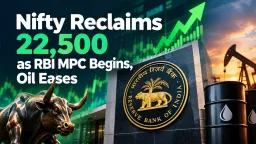
GIFT Nifty futures were trading at 22,624.5 in early morning trade, indicating a higher opening for the Nifty 50, which closed at 22,520.45 on Friday. The positive outlook followed a recovery in domestic equities last week, when the Sensex and Nifty gained 0.8% and 0.4%, respectively.
The recovery came after Indian markets experienced their longest weekly losing streak in 25 years, highlighting the importance of sustained buying interest before a stronger upward trend can be established.
Falling Crude Oil Prices Offer Some Relief
Crude oil prices eased amid expectations of reduced pressure on energy supplies following reports that Russia and Ukraine had agreed to halt attacks on each other's energy infrastructure. The development followed a US-brokered diesel supply arrangement involving Moscow.
Brent crude futures declined by around 1.6% to approximately $103 per barrel. Despite the decline, prices remained above the $100 mark as the ongoing Middle East conflict continued to create uncertainty around global energy supplies.
Lower crude prices can benefit India because the country relies heavily on imported oil to meet its energy requirements. A sustained decline could help reduce import costs, ease pressure on the current account and support the rupee. It could also provide relief to oil marketing companies and other businesses sensitive to fuel prices.
However, any renewed escalation in geopolitical tensions could push oil prices higher again, limiting the benefits for Indian markets.
RBI Introduces Measures to Stabilise the Rupee
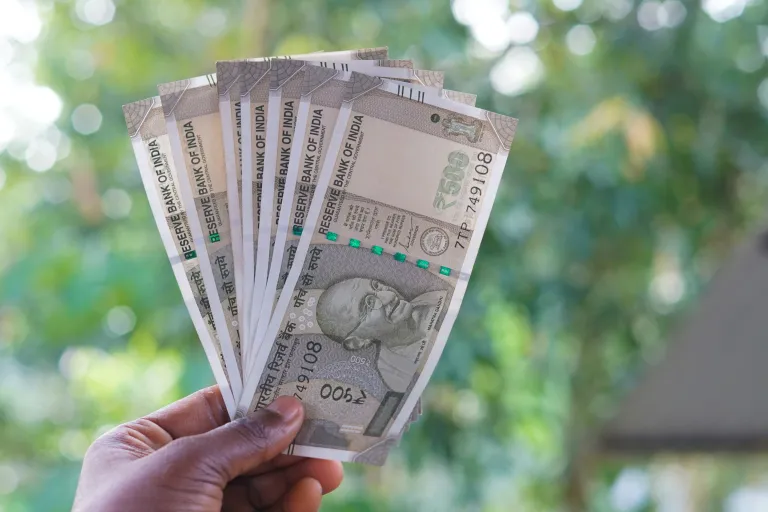
The RBI announced fresh foreign exchange measures over the weekend to reduce pressure on the Indian currency, which had been hovering near record lows against the US dollar.
Under the new arrangement, the central bank will supply dollars directly to three state-owned oil marketing companies: Indian Oil Corporation, Bharat Petroleum Corporation and Hindustan Petroleum Corporation. The facility, effective October 12, is intended to meet their daily dollar requirements and reduce their reliance on the regular spot currency market.
The RBI also tightened rules governing certain foreign exchange derivative transactions to discourage speculative demand for dollars and manage currency volatility.
The measures helped the rupee strengthen sharply at the opening of Monday's trading session, providing an additional source of support for investor sentiment. A more stable currency could also help contain imported inflation, particularly if crude oil prices remain elevated.
Foreign Investor Selling Remains a Concern
Despite the improving outlook, foreign portfolio investors continued to weigh on domestic equities. Foreign investors sold Indian shares for 11 consecutive sessions, with net outflows of ₹35.69 billion reported on Friday.
Domestic institutional investors provided some support, purchasing shares worth a net ₹47.43 billion, according to provisional exchange data.
The contrast highlights the continuing importance of domestic buying in offsetting foreign capital outflows. Investors will also monitor corporate earnings updates for signs of stronger business performance and improving market fundamentals.
Market Outlook
The combination of softer oil prices, RBI intervention and domestic institutional buying could support Indian equities in the near term. However, the sustainability of the recovery will depend on developments in global energy markets, foreign investment flows and the rupee's performance.
For now, the positive opening outlook signals a possible improvement in sentiment rather than confirmation of a sustained market rally. Investors are likely to remain cautious until broader economic conditions provide stronger support for a lasting recovery.
This article is for educational and informational purposes only and does not constitute investment, trading or financial advice. Leveraged products involve substantial risk and may not be suitable for all investors. Availability and legality of financial products vary by jurisdiction. Readers in India should ensure that any foreign-exchange or derivative activity is conducted in accordance with applicable RBI, FEMA and SEBI requirements.