India’s Festive Season 2026: Can Diwali Shopping Boost Stocks While Gold and Silver Prices Remain Volatile?
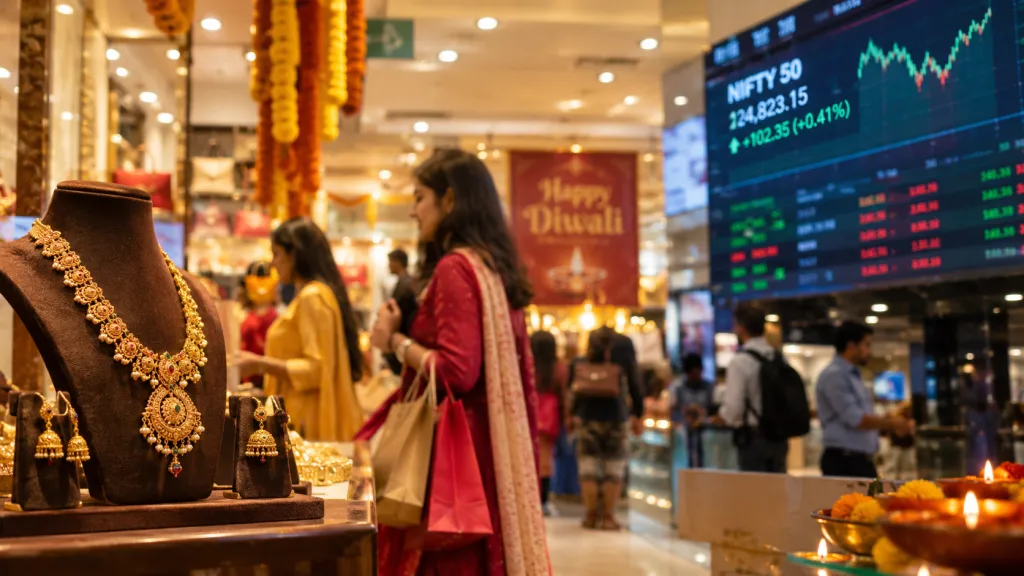
India’s festive season is more than a period of celebrations, shopping and traditional gold purchases. It is also an important phase for the country’s economy and financial markets. As consumers prepare for Dhanteras, Diwali and the upcoming wedding season, investors are watching three key developments: consumer spending, stock market performance, and movements in gold and silver prices.
This year, the picture is particularly interesting. Precious metal prices have experienced significant fluctuations, while businesses are hoping that festive demand will support sales across jewellery, automobiles, electronics and retail.
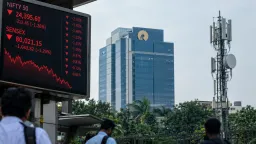
How the Festive Season Could Influence the Indian Stock Market
Festivals traditionally encourage households to spend on clothing, electronics, vehicles, home appliances, gifts and jewellery. Higher demand can support company revenues and influence investor expectations about quarterly earnings.
Several sectors could attract market attention during the festive period:
Retail and consumer goods: Companies selling clothing, personal care products, packaged foods and household goods may benefit from increased shopping.
Automobiles: Festive offers and new vehicle purchases can support sales of cars, two-wheelers and commercial vehicles.
Jewellery: Gold purchases for Dhanteras, Diwali and weddings can support jewellery retailers, although high prices may limit the quantity customers buy.
E-commerce: Online shopping events, discounts and deliveries to smaller cities can contribute to seasonal sales.
However, higher festive sales do not automatically mean stock prices will rise. Investors also consider profit margins, valuations, operating costs and whether company results meet market expectations.
For example, a retailer might report higher revenue but experience weaker profits because of discounting and rising costs. This is why investors should look beyond festive sales headlines and examine company earnings.
Gold Prices: Will Festive Buying Support Demand?
Gold occupies a special place in Indian households, particularly during Dhanteras, Diwali and weddings. Many families consider it both a traditional purchase and a way to preserve wealth.
According to the World Gold Council’s October 20, 2026, India market update, domestic gold prices stabilised in October following a sharp decline in September. Seasonal demand was gathering pace, and the recent price correction was helping support jewellery purchases. Listed jewellery retailers had also reported healthy growth in the July–September quarter.
Despite these positive demand signals, gold remains sensitive to global developments. The US dollar, Treasury yields, interest-rate expectations, geopolitical uncertainty and the rupee’s movement can all affect domestic prices.
This creates two different effects during the festive season. Lower prices can encourage buyers who had postponed purchases, while a renewed rally could increase jewellery bills and prompt some households to buy lighter pieces or exchange old jewellery.
For investors, the key question is whether gold’s long-term diversification benefits justify its place in a portfolio, rather than whether prices will rise immediately after Diwali.
Silver Prices: An Opportunity or a Risk for Investors?
Silver is another metal attracting attention from festive buyers and market participants. It is used in coins, utensils, gifts and jewellery, but its market also depends on industrial demand.
Silver prices can respond to several factors, including global economic activity, industrial consumption, the dollar and interest-rate expectations. Its relatively smaller market can also contribute to sharp price movements.
Unlike gold, silver has substantial industrial applications, including in solar energy equipment and electronics. This means its outlook is influenced not only by investment demand but also by manufacturing activity.
However, silver can be more volatile than gold. A decline may attract buyers hoping for a recovery, but prices can fall further if global demand weakens or financial conditions change.
Festive buyers should therefore distinguish between purchasing silver for personal use and investing in it with the expectation of making a profit.
What Should Investors Watch This Festive Season?
The festive period offers useful clues about the strength of Indian consumption, but investors should avoid making decisions based solely on seasonal optimism.
Three indicators deserve particular attention:
1. Company earnings: Look for revenue growth, profit margins and management commentary from retailers, automobile manufacturers and jewellery companies.
2. Gold and silver price trends: Follow international bullion prices, the rupee-dollar exchange rate and interest-rate expectations rather than relying only on festival-related demand.
3. Consumer spending patterns: Strong sales volumes can signal resilient demand, while purchases driven mainly by discounts may not translate into equally strong profits.
Should You Buy Gold and Silver Before Diwali?
There is no reliable way to know whether gold or silver has reached its lowest price for the year. Buying everything at once in anticipation of a festive rally can expose buyers to short-term price fluctuations.
People purchasing jewellery for personal or family use can begin with a clear budget, compare making charges and check the final price before placing an order. Investors who want exposure to precious metals can consider whether a gradual purchasing approach fits their financial goals and risk tolerance.
Gold and silver should also be evaluated in the context of an overall investment portfolio. Concentrating too much money in a single asset can increase risk, particularly when prices are volatile.
The Bigger Picture: Festive Spending Meets Market Uncertainty
India’s festive season could provide support to consumer-facing businesses, especially if household demand remains resilient. At the same time, gold and silver prices will continue to reflect a combination of domestic buying, global economic conditions and investor sentiment.
For stock market investors, the most important question is whether festive demand translates into sustainable earnings growth. For precious metal buyers, it is whether their purchases fit their budgets and long-term objectives.
The takeaway: Festive optimism may create opportunities across the Indian market, but it is not a guarantee of higher stock prices or rising bullion rates. In a volatile market, informed decisions and disciplined investing matter more than trying to predict the perfect time to buy.
Disclaimer: This article is for informational and educational purposes only. It is not investment advice or a recommendation to buy or sell any stock, gold or silver product. Please assess your financial goals and risk tolerance before investing.