Rupee Slips Past ₹96 as Oil Prices Rise, RBI Policy Outlook in Focus
Time to read: 3 minutes
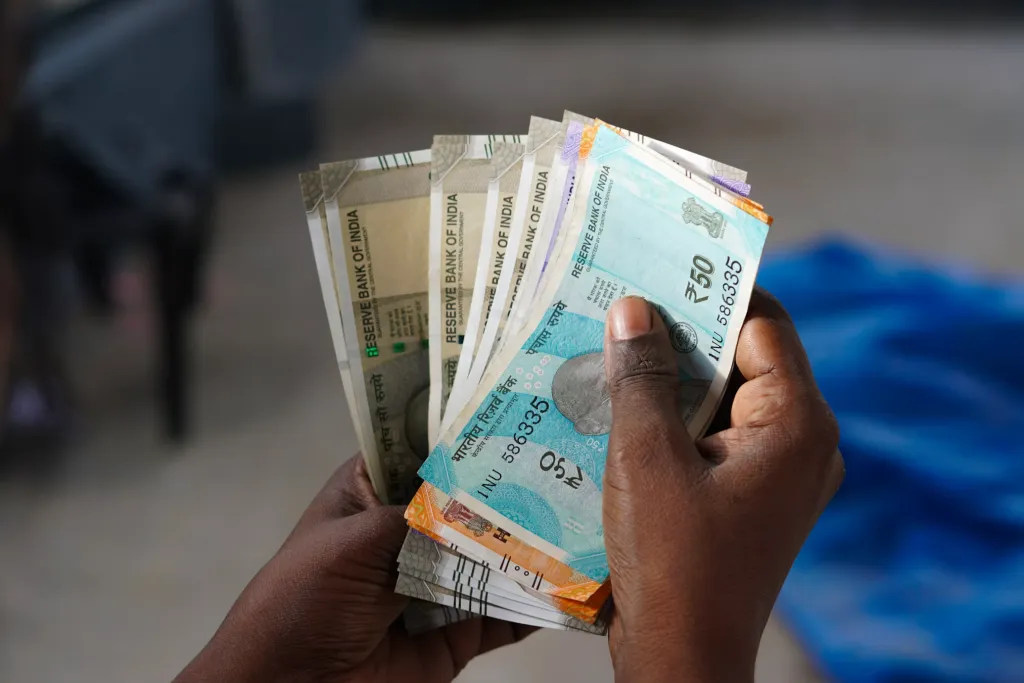
The Indian rupee came under renewed pressure on September 29, weakening past ₹96 per US dollar as higher crude oil prices, elevated global bond yields and foreign capital outflows added to currency-market pressure.
The rupee traded around ₹96.15 per dollar, its weakest level in two months, while Brent crude moved above $100 a barrel amid continued uncertainty surrounding energy supplies and tensions involving the United States and Iran.
For India, the combination is significant because the country relies heavily on imported crude oil. Higher oil prices increase the dollar value of India's energy imports, while a weaker rupee raises the rupee cost of those imports.
RBI Forex Reserves Remain a Key Buffer
India's foreign exchange reserves stood at $765.9 billion for the week ended September 18, according to the latest available RBI data.
The figure was down by nearly $14.9 billion from the previous week, when reserves had reached a record $785.7 billion.
The decline came mainly from a reduction in foreign currency assets. Despite the recent fall, India's large reserve position provides the RBI with a substantial buffer during periods of sharp currency volatility.
The central bank has generally used foreign-exchange market operations to smooth excessive volatility rather than target a particular level for the rupee.
October RBI Meeting Gains Importance
The rupee's weakness comes ahead of the RBI's October 5–7 Monetary Policy Committee meeting, placing interest rates and inflation firmly in focus.
The RBI currently has its repo rate at 5.25%. Expectations for the October meeting have shifted as higher global energy prices and currency pressure create additional inflation risks.
India's consumer inflation rose for a third consecutive month to 4.82% in August, moving above the RBI's 4% medium-term target. However, inflation remained comfortably within the central bank's 2%–6% tolerance band.
A sustained increase in crude prices could make inflation management more challenging, particularly if higher energy and transportation costs begin feeding into other parts of the economy.
What the Rupee's Move Means for India
A weaker rupee can increase the domestic cost of imported goods and raw materials priced in dollars. The impact is particularly important for energy, as crude oil represents a major component of India's import bill.
Higher import costs can eventually affect fuel, transportation and production expenses, depending on the duration and magnitude of the currency and oil-price moves.
Indian companies with significant dollar-denominated expenses could also face higher costs, while sectors and businesses earning substantial revenues in foreign currencies may experience a different impact.
The RBI therefore faces a balancing act between currency stability, inflation management, liquidity conditions and economic growth as global oil prices and interest rates remain volatile.
This article is for educational and informational purposes only and does not constitute investment, trading or financial advice. Leveraged products involve substantial risk and may not be suitable for all investors. Availability and legality of financial products vary by jurisdiction. Readers in India should ensure that any foreign-exchange or derivative activity is conducted in accordance with applicable RBI, FEMA and SEBI requirements.