Commodity Trading Strategies: A Step-by-Step Learning Session

Let’s walk through how professional commodity traders think - step by step - so you’ll see not just what to do, but why it works in today’s volatile markets.
Understanding How Commodity Markets Work
First, you should know how these markets are set up. Think of the commodity world as split between “spot” (immediate delivery) and “futures” (trading contracts for future dates). You have to watch both “physical” demand (actual users wanting delivery) and “financial” demand (speculators or hedgers). Seasonality, storage, inventories, and even groups like OPEC play outsized roles here. Unlike stocks, commodities react fiercely to global shocks, making them risky but full of opportunity for the prepared trader.
The Power of Fundamentals: What Moves Commodities
Here’s what pros track every day:
Macroeconomic trends: Understand how inflation works. Commodities like gold, oil, and copper often rise in value when currencies wobble or inflation spikes.
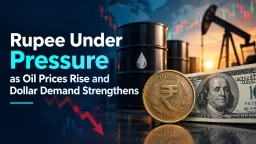
Currency moves: Commodities trade globally, usually in USD. If the dollar is strong, global buyers pay more, so prices may fall even if demand is steady.
Geopolitical events: Wars, OPEC decisions, export bans, and weather disasters can cause wild price swings overnight.
Supply-demand data: Look for the basics. Weather, mining output, quotas, inventory reports if supply drops or demand surges, prices react.
Seasonality: Know your calendar! Gas often rallies in winter. Crops follow planting or harvest. Gold demand jumps during key festivals, especially in India and China.
Economic indicators: Follow PMIs, inventory numbers, growth forecasts, and big bank decisions. These can signal shifts in demand for metals, oil, and more.
When you’re assessing fundamentals, always ask: What could disrupt supply? Is demand about to shift because of a global event or economic trend?
Technical Analysis: Timing Your Trade
While fundamentals tell you the “why,” technicals help with the “when” and “how.” Let’s break down the key tools:
Trend indicators:
Moving averages (check 20, 50, 200-period) spot big trends.
MACD shows momentum.
ADX tells if a trend is strong or weak.
Momentum indicators:
RSI and Stochastic Oscillators help you spot overbought or oversold points perfect for timing pullbacks.
Price patterns:
Learn to recognize chart shapes flags, pennants, head & shoulders, double tops/bottoms, triangles. These hint at reversals or breakouts.
Support & resistance:
Draw horizontal lines on charts at levels where price has bounced or stalled for months; these become battle zones for future trades.
Volume and open interest:
On futures, rising price + rising open interest? The trend is strong. If price rises but open interest falls, beware a reversal.
Fibonacci Retracements:
These mathematical levels often indicate where a price might pause or reverse, especially in fast-moving commodity markets.
Fusing Fundamentals and Technicals: Smart Strategies
Here’s how to combine the best of both approaches:
Strategy 1: Macro trend + technical trend
Check if fundamentals (like OPEC cuts, low inventories) support a bullish case for oil. Then, see if your chart agrees (above key moving averages, bullish MACD). You go with the macro trend, but use technicals for smart entries.Strategy 2: Trade key reports
Around EIA inventory releases or Fed announcements, stay out initially. When the dust settles, use chart breakouts or reversal signals to time your return.Strategy 3: Seasonality meets pullbacks
For example, natural gas going into winter. Wait for price to pull back to a Fibonacci or support zone, then play the seasonal theme with a defined stop.Strategy 4: Spread trading
Advanced skill alert. Trade oil vs gasoline, or gold vs silver - not just up or down, but on their relative moves.Strategy 5: Hedge your equity bets
Hold commodities as part of your long-term risk management. If stocks sink during inflation, commodities (like gold, oil, agri products) may hold up or gain.
Managing Risk Like a Pro
No matter how sharp your analysis, discipline is everything:
Never overleverage (especially in futures).
Always use stop-loss orders and take-profit levels.
Know contract specs: size, expiry, rollover costs, margins.
Avoid holding big positions overnight during geopolitical risks.
Wrapping Up: Your Path Forward
Think of fundamentals as your compass ; giving direction and technicals as your map - showing where to enter and exit safely. By blending economic news, chart patterns, and disciplined risk controls, you’ll be prepared for almost any situation a wild commodity market throws your way.
Use this approach, practice with real data, and refine as you learn. The more you blend both disciplines, the more confident and resilient your strategy will become!